


By David Bell, Vice President, Vestwell
December 3, 2024
In just a few weeks, we’ll be preparing to gather with friends and family to celebrate the end of another year with our various traditions – a favorite family recipe, matching pajamas, a heirloom decoration, and specially selected gifts wrapped with care. Promotions have been running since we turned off the lights on Halloween night – but what if you could wrap a gift with (almost) endless possibilities this year? A gift that could be imagined and re-imagined, a gift that could potentially be worth even more than your investment this year. What if this year, you started the tradition of supporting your loved ones’ future dreams by making a gift to their 529 account on Giving Tuesday?
When you gift to a 529 account, you provide several gifts in one:
A gift that could grow over time: Contributions of any size can add up over the years and have the potential for growth while invested. A new fun family tradition might be a family matching fund. Each family member can contribute a small amount of $25 to reach a target goal toward a new semester, tuition deadline, or more by the end of the year.
A gift of flexibility: Your loved one can choose which qualified distribution expense is best for them when they head off to school – tuition, books and supplies, room and board, and more. 529 plans can also support other aspirations like trade schools, apprenticeships, and fellowships.
A gift that wins awards: In 2023 and 2024, 529 Plans were selected as Good Housekeeping’s Best Parenting Awards.
This holiday season, consider giving a gift full of possibilities by contributing to a loved one’s 529 account – or better yet, set up recurring contributions to help them achieve their dreams. Ask your family and friends to share their 529 gifting information or see what gifting options your home state 529 program offers by visiting CSPN’s Find My State’s Plan tool.
About the Author
David Bell is Vice President at Vestwell, leading client relationships for 529 and ABLE programs. David has a long background in Financial Education and State Savings Programs.
By Luke Minor, Director of Washington State’s College Savings Plans (WA529)
November 5, 2024
With Halloween behind us, one would normally ditch the thrills and chills and go all in on sweater weather and copious quantities of pumpkin spice-flavored whatnots. But this November, the fright fest continues for me in light of a recent and shocking revelation…
I was at a financial empowerment conference last month focused on increasing banking access for underserved individuals and communities. It was a powerful and eye-opening event that gave me a lot to consider in how well my organization supports Washington residents in saving for future education and career readiness training. But something I learned that day continues to haunt me – when my daughter turns five in just three short months, her spending habits will become chiseled in stone for the rest of her life and there’s nothing I can do to stop it.
In the modern misinformation age, I was naturally skeptical and dug a little deeper. It turns out that this dynamic has been studied and findings suggest that children begin developing associations with money and spending habits at a very young age. And interestingly, it appears that such habits do not necessarily reflect those of their parents. So, um, yeah…my almost five-year-old, who is already gaining independence at an alarming rate, will soon be destined for a life of frivolous indulgence or miserly self-deprivation and I will have no say in the matter. As Scooby Doo’s pal Shaggy would say “Zoinks!”
Of course, I’m being alarmist and am at risk of spreading my own misinformation, so let me set the record straight. While sobering, I am treating this new point of learning as an opportunity to reexamine my own financial priorities and help my daughter develop a healthy relationship with money. And importantly, I am inspired to work harder in helping financially empower families and individuals throughout my state and across the country.
The good news is that collectively, organizations across sectors and localities already have countless resources and policy interventions to help. The challenge is how to best knit together this patchwork so we can aid as many individuals and families as possible in their journey towards building their education, financial security, and generational wealth. We discussed this at length at the conference mentioned above, and were able to tease out several actionable steps we can take:
- Become better storytellers so we can deliver information to people in relevant, culturally appropriate ways;
- Find trusted messengers who can aid us in building rapport with diverse and disparate communities;
- Meet people where they are at rather than trying to entice them into our predefined structures;
- Help people navigate complex systems that can present barriers to their financial well-being; and
- Build our village of like-minded organizations who are striving to make an impact in their respective communities.
This speaks to the immense value and impact that organizations such as our very own CSPN, ASPN, and NAST wield. For years, I have marveled at the collective power our association to share best practices, build cross-sector relationships, and advocate for positive change at the systems level. My call to action for all of us within CSPN is to build on this already strong foundation. Let’s keep up the great work, grow our villages, and not be overcome with same fear I started off this conversation with! Here are some ideas to get us going:
- Dust off those business cards you’ve collected over the past few months, follow-up on those LinkedIn invitations, and unbury those introductory emails;
- Find new-to-you networks such as financial planners associations, asset building coalitions, and scholarship foundations; and
- Keep trying new things – remember the power of pilot programs.
As that cliché and sometimes cringy motivational posters in office walls across the country persistently remind us: “Teamwork makes the dream work!”
_____________
About the Author
Luke Minor is the Director of Washington State’s College Savings Plans (WA529), which include the GET Prepaid Tuition Program and the DreamAhead College Investment Plan. Since 1998, tens of thousands of students have used more than $2 billion of their WA529 savings to attend colleges in all 50 states and at least 15 foreign countries. In his free time, Luke enjoys getting outside to hike, ride bikes, and even splash in a puddle or two with his wife, rambunctious four-year-old, and young-at-heart dog.
By Rachel Biar, Deputy State Treasurer for Savings Programs, Nebraska
October 29, 2024
Saving for higher education expenses may seem like an overwhelming task for individuals and families alike. A few of the most common and fundamental questions we encounter are: How much should I save? Where should I start? Can my family help?
To help conquer some of these most pressing concerns, let’s talk about the top savings challenges you and your family may face—and tips to help overcome them.
“It’s hard to get started.”
Saving for higher education is an investment in the future, and I think you’ll be surprised just how simple it can be to get started with a 529 savings plan. 529 plans provide options for every level of investor. For most plans, there is no minimum amount needed to open a 529 account and there are no hidden fees you need to watch out for. Once you’ve opened your account, you will be able to contribute when it fits your budget schedule, and you will have access to your account giving you the flexibility to monitor your progress along the way.
“I don’t know how much to save.”
Mapping out a budget can help you get started and assist you with your savings goals. Additionally, most 529 plans offer a College Savings Planning Calculator. This tool provides savings projections tailored to your specific goals so that you can determine your contributions and save with confidence. One of the great benefits of saving with a 529 account is that you choose the amount to save in a way that best works for you while working toward your financial goals.
“I don’t have enough time.”
Life is busy, and we and our budgets often get pulled in many directions. When you feel overwhelmed, take a moment, and realize it’s never too late to start saving for education costs. Sometimes just starting is all you need to do. Begin saving as early as it fits into your budget and try to save as often as possible to be prepared for the expenses associated with higher education. Setting up an automatic monthly contribution is a terrific way to keep your savings goals focused.
“It’s hard to do it alone.”
With a 529 account, it’s easy for you to invite family and friends to join in your savings journey. Loved ones can help boost your savings efforts by using free online gifting services provided by your 529 plan or by using 529 gift cards. These options are user-friendly and typically do not require added fees. It’s okay to be transparent with friends and family members about savings goals. Don’t be afraid to ask loved ones to consider sending gift contributions for holidays, birthdays, and special occasions. You might be thrilled how happy they are to help you!
As the costs of higher education continue to rise, it can ignite fears for anyone. It is increasingly necessary for all of us to be aware of the diverse options available to finance educational expenses like tuition, room and board, books, supplies and more. For all those looking to pursue higher education, we are with you and here to help every step of the way. 529 savings plans are a useful and simple savings method offering easy enrollment, flexible contribution setup, tax advantages and ongoing account management.
Fear can have a significant impact on life and your financial success. Are you ready to defeat your higher education financing fears? All of us who work with 529 savings plans are here for you! We are dedicated to helping you make saving for college less scary, and we are here to help you continue working towards your higher education savings goals. Don’t let fear hold you back. Start saving with a 529 plan today!
About the author
Rachel Biar is Deputy State Treasurer for Savings Programs in Nebraska and serves as Past Chair of the College Savings Plans Network. In her role she serves as the Director for the NEST 529 Education Savings Program. The Nebraska Educational Savings Trust (NEST) provides four plans: NEST Direct College Savings Plan, the NEST Advisor College Savings Plan, Bloomwell 529 Education Savings Plan, and the State Farm 529 Savings Plan. The Nebraska State Treasurer serves as the Program Trustee. Union Bank & Trust serves as the Program Manager, and all investments are approved by the Nebraska Investment Council. Families nationwide are saving for college using the NEST 529 plans, which have $7.2 billion in assets and 300,000 accounts. Visit NEST529.com and treasurer.nebraska.gov for more information.
By Pennsylvania Treasurer Stacy Garrity
October 8, 2024
Parents encourage their children’s interests from the time they’re small by enrolling them in school, running them to sports practices, signing them up for camps, buying supplies and gear, and so much more. There’s one more very important step that parents can take to help their child succeed no matter where life takes them: Saving for their future education with a 529 plan.
Whatever a child’s passion is when they embark on a career path after high school, they’ll likely need some type of training and education to help them realize their goals. Whether they head to a four-year university, community college, technical school, or begin an apprenticeship, 529 plans are an excellent tool to help save and pay for those opportunities.
It’s never too late to start but saving early and often with a 529 plan is one of the best ways to make future tuition bills less intimidating.
Confucius is credited with saying, “The man who removes a mountain begins by carrying away small stones.” That theory also applies to education savings. Every small deposit into a 529 plan can make a big difference years from now with the power of compound interest growth and time on your side. Saving this way can help the next generation get the training they need without a mountain of debt.
A recent survey of 6,000 Pennsylvanians revealed that families have remarkably high expectations for their children’s educational future. This was true across all incomes, races/ethnicities, education levels, and marital statuses. New parents typically want their child to attain more education than they themselves accomplished.
However, the findings suggest that parents who reported it was “too early to start saving” often had lower expectations for their children’s future education. No other measure in the survey was so consistently associated with lower parental expectations. Unfortunately, parents with that mindset will have saved fewer assets and be less able to afford the growing cost of college, which may result in self-fulfillment of their initial lower expectations.
The good news is that other research has shown that even a small amount of savings set aside for a child’s future education can positively impact the child’s own view of whether they are capable of pursuing education after high school.
To find the best savings options in your state, the first thing to look for is whether your state has a Children’s Savings Account (CSA) program like Pennsylvania’s Keystone Scholars. CSAs are a great way to get a jumpstart on savings. In Pennsylvania, every child born since Jan. 1, 2019, has $100 automatically set aside for their future education.
Next, check out your home state’s 529 plan. With 529 plans, families enjoy great tax benefits that aren’t available with other savings options. Families pay no federal income tax on investment growth, and withdrawals used for qualified expenses aren’t taxed. And in many cases, you’ll find additional benefits for in-state residents. Often, no state income taxes are owed on earnings, and many states even offer a state tax deduction or credit on 529 plan contributions. There may also be other great benefits; for example, funds in a PA 529 account don’t count against a Pennsylvania resident’s eligibility for state financial aid, and they aren’t subject to state inheritance tax.
If you want to dig even deeper, CSPN has an amazing 529 Search & Comparison tool to help.
We live in exciting times, and I believe the future is bright for the next generation of the American workforce. Technology and the world are changing at lightning speed, which means your child’s future career may not even exist yet. But you can, and should, start saving today to help them prepare.
529 plans have been around for decades, and they’re more important than ever for parents and grandparents who are looking to save for their children’s and grandchildren’s education. It’s never too early to start saving with a 529 plan to pave the way for your child’s future.
About the author:
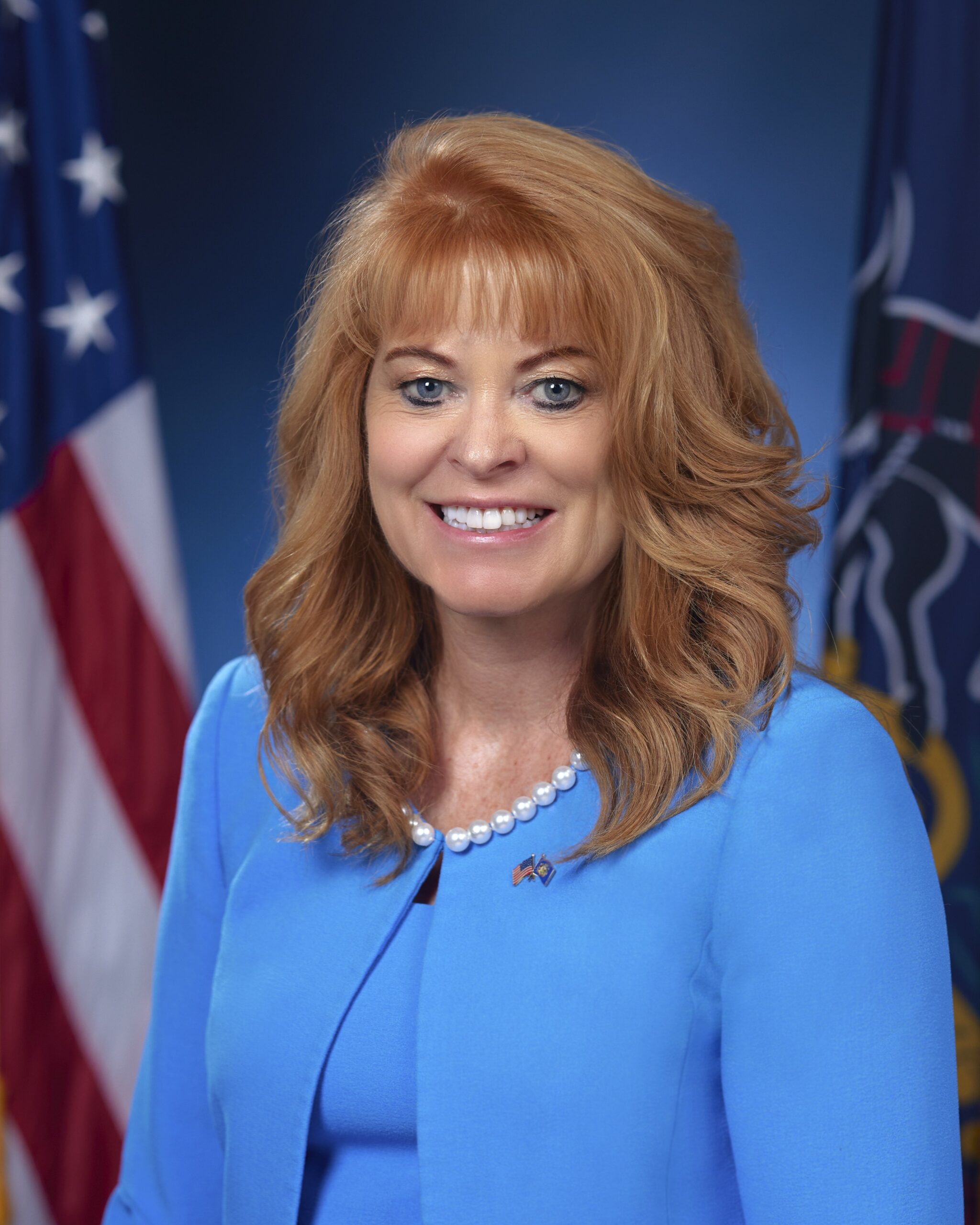
Stacy Garrity is Treasurer of the Commonwealth of Pennsylvania and oversees the PA 529 College and Career Savings Program which includes two plans, the PA 529 Guaranteed Savings Plan and the PA 529 Investment Plan, which has earned a Gold Rating from Morningstar. Treasurer Garrity has cut fees multiple times for PA 529 accounts, saving families more than $16.5 million. PA 529 has assets of more than $8 billion.
Devon Copeland, Senior Communications Associate, Invest529
September 3, 2024
Do you ever find yourself having a chat… with yourself? Well, I do! Especially when it comes to big life decisions—like saving for college. A couple of years ago, I had one of these “talks,” and you know what? It actually helped! So, I thought I’d share that inner dialogue in case you’re also wondering, “Is saving for education really that easy?” Spoiler alert: Yes, it is. And with College Savings Month here, there’s no better time to start!
Me #1: Okay, self, we need to talk about saving for the kids’ education. We’ve been putting it off for a while now.
Me #2: Ugh, I know… But doesn’t it sound a bit… complicated? And expensive?
Me #1: That’s precisely why we need to get a handle on it now. And guess what—I’ve done some research. Turns out, a 529 account could make it a lot simpler.
Me #2: Oh, I’ve heard of those! But what makes a 529 account so special?
Me #1: Well, for one, it’s super flexible. You can use it for a wide range of educational expenses—like tuition, books, room and board, and even some K-12 expenses. Plus, it’s not just for traditional four-year colleges. Trade schools, apprenticeships, and even online courses are covered!
Me #2: Hold on. So, I can save now, and the kids can decide later whether they want to be doctors or auto technicians?
Me #1: Exactly. And here’s another cool thing: the money grows tax-free. So, every dollar we put in has a chance to grow more quickly over time without Uncle Sam taking a cut. When it’s time to use the money, we won’t pay taxes on the withdrawals if they’re for qualified expenses.
Me #2: I do like the sound of that! But how much do we need to start?
Me #1: That’s another great thing. You don’t need a ton of money to get started. Most 529 accounts let you open one with a small initial deposit, and then you can contribute as little or as much as you want, whenever you want. It’s totally up to us.
Me #2: Wait, so I could start with, like, $25?
Me #1: Absolutely, or even less! And we can set up automatic contributions to keep it going without even thinking about it. It’s like a “set it and forget it” situation, which is perfect because… well, let’s be honest, we always have a lot going on.
Me #2: That sounds manageable. But what if we don’t end up needing all the money?
Me #1: Great question. We can always change the beneficiary to another child or even to ourselves. Maybe I’ll finally take that pastry course in Paris!
Me #2: Ooh la la, now you’re talking!
Me #1: See? It’s really a win-win. Saving for education doesn’t have to be hard or scary. It’s all about getting started and doing what works best for our family.
Me #2: Okay, I’m convinced. This actually sounds easier than I thought. Let’s do it!
There you have it—my inner dialogue that led to some real savings! If you’ve been on the fence, maybe it’s time for you to have a little chat with yourself, too. Because with a 529 account, saving for education can be simple and rewarding. This College Savings Month, take the plunge. Your future self—and your kids—will thank you for it!
About the Author
Devon Copeland is the senior communications associate with Invest529. Invest529 makes education more accessible and affordable for families and individuals. The program is administered by Commonwealth Savers Plan, which oversees education 529 saving programs with more than $105.6 billion assets under management and 3.1 million accounts as of July 31, 2024, making it the largest 529 plan in the nation. For more information on Invest529’s education savings options, visit Virginia529.com or call 1-888-567-0540 to obtain program materials.
By Young Boozer, Alabama State Treasurer
August 27, 2024
Next month is college savings month. When I talk to folks about saving for college, usually the first thing they ask is, “When is the best time to start?” I like to immediately say, “at birth.” It gives you the maximum time to accumulate and grow your savings to the student’s matriculation day.
I advise them to take advantage of time. When your child arrives, put your young one in the budget. Plan to set aside regular contributions into a 529 program. Be diligent and consistent throughout the years to come. Fit it into your household budget. Look to increase the deposits over time as your financial situation improves. A monthly amount of $20, $50, or $100 can build dramatically over 18 years. Get started at birth.
The old adage is, “Time is money.” To afford college, let’s start a new saying. Money saved over time is more money over time. The college savings goal is to build our savings to avoid having to take out student loans. It is far better to save today than borrow tomorrow. Make today the day you start saving.
One is never too young to be the beneficiary of the magic of compound interest and the dollar cost averaging technique. Real early in life is the best time to persuade family and friends to make a gift of cash to a 529 account rather than a breakable toy for ALL the gift giving days.
The 529 plan has a glorious feature that allowed me to ensure I was saving for my grandson on the day of his birth. In expectation of imminent arrival, I opened and invested in a CollegeCounts529 in the great state of Alabama several months before his birth in his mother’s name. After his arrival and receipt of a Social Security Number, I changed the beneficiary designation to that lucky young man. He was earning from day one.
He’s off to a great start! You and your young one can be, too.
About the author:

Young Boozer is the 41st State Treasurer of Alabama, Chairman of Alabama’s Prepaid College Tuition Program (PACT); Alabama’s 529 college savings program, CollegeCounts; and the Alabama ABLE Savings Plan. He also serves on the CSPN Governance Committee. Visit treasury.alabama.gov for more information on ways to save through a 529 plan.
By Curtis Loftis State Treasurer of South Carolina
July 23, 2024
Whether it’s a quiet lane, a winding trail, or a busy highway – the roads we travel are as unique and distinct as the people who travel them. The paths we follow in life are much the same. Some are straight and predictable. Others are full of surprises, twisting and turning to reveal new and unexpected experiences.
When it comes time for young people to select the path that will lead to their future success, they want the freedom and flexibility to make the right choice for them. Families who choose to save for their children’s future with a 529 savings plan gain the opportunity to grow their funds tax-free and the flexibility to use those funds to put their children on the right path—one that will help them realize their dreams, whatever they may be.
The Traditional Route
When I speak with families in my home state of South Carolina, most understand that 529 plans are tax-advantaged savings plans that can help pay for four-year colleges and universities, as well as any qualified education expenses associated with attending these institutions.
It’s undoubtedly true that 529 funds can be used at eligible four-year public and private colleges throughout the United States, as well as many international schools. They can also be used at two-year schools or for graduate school tuition should your child want to further their education with an advanced degree.
However, as State Treasurer and administrator of South Carolina’s Future Scholar 529 plan, I want families everywhere to know that 529 plans are designed to give them the flexibility to save for various educational opportunities.
The Creative or Directed Route
Perhaps your child has chosen a path that doesn’t include a four-year degree. Does your child dream of becoming an artist? A dental hygienist? A welder? An electrician? 529 plans can also pay for technical school or an apprenticeship registered with the U.S. Labor Department. Is your child inspired to become a hair stylist or a chef? You can use 529 account funds to pay for cosmetology or culinary school and the qualified education expenses associated with attending.
In addition to tuition, fees, and textbooks, qualified education expenses include supplies, equipment, tools, computers, internet access, housing, and food.
K-12 Tuition
Do your dreams for your young child include a private K-12 school that charges tuition? You can withdraw up to a total of $10,000 a year, per beneficiary, to pay k-12 tuition at a public or private elementary school or secondary school. You won’t need to pay federal or state taxes in most states when you withdraw funds to pay for K-12 tuition, just as you don’t pay taxes when you withdraw funds to pay for higher education.
Student Loans
In 2019, Congress passed the SECURE (Setting Every Community Up for Retirement Enhancement) Act, expanding the benefits of 529 plans. The SECURE Act allows people who save with a 529 plan to withdraw up to $10,000, per borrower, to repay student loan debt. $10,000 is the lifetime cap on the amount of 529 funds that an individual can use to repay student loans.
And 529 plan flexibility doesn’t end there. If your child doesn’t need to use all of the funds in a 529 account, you can change the beneficiary to an eligible family member, such as a sibling, parent, or even a future grandchild. For example, if you have a child who didn’t use all of the funds in a 529 plan, those funds can be transferred to a sibling to pay their qualified education expenses or pay down their student loan debt.
The Right Path
With a 529 plan, your savings can grow tax-free. Most importantly, the funds you save will give your child greater flexibility to choose the right educational path that aligns with their unique goals, gifts, and abilities. Open a 529 account today and begin saving for your child’s educational journey.

About the author:
Curtis Loftis is the State Treasurer of South Carolina. He also serves as the administrator of South Carolina’s Future Scholar 529 College Savings Plan. Visit treasurer.sc.gov or futurescholar.com for more information on ways to save through a 529 plan.
By Lael M. Oldmixon, M. Ed., Executive Director, Education Trust of Alaska
July 16, 2024
As someone who appreciates the advantages of saving for education with a 529 plan and is a 529 account owner for my two beneficiaries, I applaud families who have diligently planned and contributed to a loved one’s account. When it comes to the pivotal moment of paying the first qualified expenses, account owners can spend less time stressing about how to pay for college by following these easy steps and more time celebrating the success of their savings journey:
Step 1: Calculate Your Qualified Education Expenses
529 plan account owners can withdraw any amount from their 529 plan, but only qualified distributions will be tax-free. The maximum amount you can withdraw tax-free is the total amount of qualified expenses paid during the year minus any amount used to generate other federal tax benefits.
- Add up expenses (e.g., college tuition, fees, books, supplies, equipment, computers, and room and board).
- Subtract tax-free educational assistance (such as scholarships or employer programs).
- Subtract expenses used to justify the American Opportunity Tax Credit (AOTC) or Lifetime Learning Tax Credit (LLTC).
The remaining amount is your maximum withdrawal amount. You should consult a tax professional or financial advisor to learn more about how tax-free educational assistance and tax credits may impact your 529 withdrawal.
Step 2: Time the Withdrawal
Withdraw your funds in the same calendar year you plan to use them so that the year’s withdrawals align with the year’s education expenses. Be sure to keep all your receipts. Toward the end of the calendar year, review your expenditures to make sure you have withdrawn funds to cover all qualified expenses. Be sure to give your 529 plan administrator enough time to process your withdrawal request in the same calendar year (approximately 10 business days).
Step 3: Select the Recipient
Account owners are responsible for requesting the withdrawal and may choose to have the funds sent directly to the school, to the beneficiary, or to themself via check or ACH.
If you are sending the funds to the school, be prepared to provide your plan administrator with the beneficiary’s name, student ID, and the school’s name and address.
Step 4: Request the Withdrawal and Plan Ahead
Most plans allow you to request a withdrawal on the phone, online, or via paper form. Visit the plan’s website and review the options available to you.
- Some plans offer a service to expedite payments to schools via ACH or through an online withdrawal platform for a small fee. In my experience, the nominal fee is worth the freedom from worry.
- While mailing a check to the school may be free, it can take at least 10 business days to arrive and has the risk of getting lost in campus mail.
- Sending the funds directly to your bank account or via check to your home is an easy and free way to receive the withdrawal. However, you will still need to pay the school with a check, credit card (which may include a fee), or bank transfer. Avoiding this additional step may be worth any ACH fees described above.
Whichever method you choose, once you have finalized the withdrawal request, follow up with the school to ensure the funds hit the account, keep an eye on your bank for the funds to arrive, or watch for the check in the mail.
End-to-end, it’s recommended that you give yourself a buffer of about 10 business days. If the payment is due on August 15, consider making the request for withdrawal by about August 1.
Last fall, I wrote an article
about navigating the first year of college, which is a guide for both students and parents. While the tips may be most beneficial for your student, they may also be helpful for you!
Navigating the First Year of College: A Guide for Both Beneficiaries and Their Parents
Here’s a preview of the article:
Before Arriving
- Read all communications from your university or college.
- Review your admissions and financial aid status. Are all outstanding documents submitted?
- Watch for instructions about logistics like deposits, housing deadlines, fee payment, and class registration.
- Request your 529 distribution at least ten business days before the fee payment deadline.
Continue reading and print the complete list here.
About the author:
Lael M. Oldmixon, M. Ed., is the Executive Director of the Education Trust of Alaska, which offers Alaska’s three 529 plans: Alaska 529, the T. Rowe Price College Savings Plan, and the John Hancock Freedom 529. She lives in Alaska with her spouse, two children, and two dogs.
By Jamie Dushin, Accounting Manager, Achieve Montana, Montana’s official 529 Education Savings Plan.
July 9, 2024
At the end of last year, student loan debt in the U.S. totaled $1.74 trillion.1 That makes for an average monthly student loan payment of more than $393.2 And while loan forgiveness initiatives are up in the air every few months, here’s one thing that’s for sure – saving early can outweigh both the costs and stress of paying for college and higher education. As parents, we’ve learned to do just about anything to help our children – perpetually share the bathroom with our toddler, stay up until 4 a.m. completing school projects, watch the same cartoon episode for the twentieth time (you know the one). But what if, in 2024, instead of stretching ourselves thin to ensure our children’s future, we started saving for it?
Here are the top 5 reasons why starting a 529 plan beats taking out student and federal loans on any given day!
#1: Saving is less expensive than borrowing.
We’ve crunched the numbers, talked to advisors, factored in inflation, and considered rising tuition costs – no matter how you spin it, saving now beats borrowing every single time. And we get it; it doesn’t always make logical sense or even financial sense to set aside hundreds of dollars each month. But what if we told you that setting aside even small amounts (think $15, $25, $50) each paycheck could save you thousands of dollars in the future? Yes, thousands – tens of thousands.
#2: 529 plans can cut tuition costs.
Speaking of costs, college tuition continues to rise every year. Along with it are associated expenses like textbooks, study materials, and room and board. While 529 plans can’t directly cut the tuition price, they offer flexible spending options – allowing students to pursue their general education credits at a less expensive college and then use the rest of their funds toward their primary degree. Funds in most 529 accounts can be used at nearly any two-year or four-year university, trade or technical school, or qualified apprenticeship program. See your state’s plan for additional details.
#3: Zero interest & tax-deferred growth.
And here’s one of the best parts – no interest payments AND tax-deferred growth! What does that even mean? We’ll break it down for you. Unlike a loan, no borrowing is involved, eliminating any compound interest you would owe. But what does add up is the additional savings you acquire! With flexible investment options, every dollar saved in a 529 account has the potential to become another dollar earned. In other words, you save, and then you save again!
#4: 529 plans can be used alongside financial aid.
When it comes to saving for higher education, many parents worry that opening a 529 plan will hurt their child’s eligibility for receiving federal aid. And while the fear is valid, it’s just not accurate. Will a parent’s 529 savings be taken into consideration when reviewing FAFSA applications? Yes. Will they have a significant effect on your child’s financial aid package? No. If your student is a dependent, the funds in your 529 account are considered the parent’s asset. As a result, when determining one’s “Student Aid Index,” funds in a parent’s 529 account will generally be counted at a rate only up to 5.64% of its value – making a minimal difference in financial aid eligibility.
#5: Proactive savings ignites confidence.
We saved the best for last. As parents, we know that our children can dream anything, be anything, do anything! But, as kids, that can often be hard to understand. So, hold onto this – Not only are children who know they have college savings accounts more likely to attend college, but behind every gift, every contribution, and every investment choice is your affirming and resounding voice saying, “I believe in you.” And that voice, your voice, can be the strongest investment of all.
About the author:
Jamie Dushin is an Accounting Manager at Achieve Montana, Montana’s official 529 Education Savings Plan. To learn more, visit achievemontana.com.
References
1https://www.federalreserve.gov/releases/g19/HIST/cc_hist_memo_levels.html
2Board of Governors of the Federal Reserve System Report on the Economic Well-Being of U.S. Households in 2016- May 2017
By Brittany Leona Parks, writer, my529
Are there any products available today that can truly improve financial, career, and mental well-being? Consider what a 529 college savings plan can do. Setting money aside to reduce or eliminate the need for student loans can benefit lives significantly.
Boost early income. Embarking on the adventure of your first job can be stressful enough without having to worry about a significant portion of that paycheck being unavailable. Students commonly believe they can worry about their student loans later. Unfortunately, the payments often come due simultaneous to other expenses in a young person’s life, like buying a car, relocating, or setting up a new home. This is also when early investments have the greatest potential for growth over time. These factors can have a crucial influence on future wealth and quality of life.
Set a strong foundation for life. The financial burden of student loans can delay other milestones like starting a family or buying a home. Gen X first experienced the burden of student loans, then Millennials, and now it shapes how Gen Z views the value of certain degrees or schools. For second-generation college graduates, parents’ outstanding student loan debt could have affected how much money their parents could set aside for them to attend school.
Find freedom and flexibility to optimize opportunities. Recent graduates likely saw their parents struggle economically during the Great Recession and, as such, understand that jobs are not distributed with diplomas. Allowing for some extra time to find the best position — rather than settling for just any job that will pay the bills — can boost lifetime earnings and accelerate career advancement. It can also give you the freedom to pursue a more fulfilling job, but perhaps it pays less.
Reduce the potential to feel financially overwhelmed. Student loans — just like any financial debt — can increase stress and lead to life-long and far-reaching negative consequences. Failing to keep up with student loan payments could ruin credit scores and result in garnished wages and Social Security benefits. Life can be challenging enough, and it’s unlikely that a recent graduate wouldn’t have, at the very least, some financial concerns. This can make facing decades of future bills feel particularly intimidating, especially if students understand how compound interest can change the equation.
Benefit from earnings — not accruing interest on a loan. If students can set aside money now, those compounding gains can work to their advantage. Demonstrating how saving pays off is a beautiful lesson that can also benefit future generations. It is important to remember that, on average, students who graduate with postsecondary degrees see higher earnings, more career opportunities, and better health outcomes — making the cost of higher education even more worthwhile.
Help your student be part of the over 30% who graduate from higher education without student loans and reduce the financial, career, and mental health burdens through investing early and often into a 529 college savings plan.
About the author:
Brittany Leona Parks is a writer for my529, Utah’s educational savings plan. When not researching financial best practices for children, she is trying these strategies out on her own two kids, hiking with her family, and participating in entirely too many book clubs. She previously spent 8 years marketing to the financial and legal sectors.