


By Jenn Dyck, Communication & Marketing Specialist, WA529
Memories of planning family road trips always come to my mind in the first weeks of summer. Preparing for an exciting adventure is a rewarding experience. I planned several fun-filled road trips when our kids were young – creating special memories our family will never forget. Recently, it occurred to me that saving for higher education may seem like a completely different task, but honestly, the two tasks are more alike than you might think. Road trips are often filled with laughter, spontaneous detours, and roadside treats, while a college savings journey requires financial planning, dedication, and long-term commitment. Yet, at their core, both are fueled by dreams, driven by hope, and shaped by meaningful preparation.
Choose the Destination
Every memorable road trip begins with a vision. Whether your family dreams of a cross-country drive to a theme park or exploring local attractions, families choose destinations that excite them. This first step builds hope and anticipation, giving everyone something to look forward to.

Similarly, saving for higher education begins with a dream. Students and their parents picture a future shaped by college degrees, technical or vocational training, or apprenticeship opportunities. Taking the step to save in a 529 plan supports different paths your student may choose and builds hope that they can pursue their dreams after high school.
Plan the Route
Mapping your road trip route includes carefully planning desired sights, rest stops, meals, overnight stays, and fuel stops. Families often weigh the pros and cons of adding time and money to take paths leading to specific sights and landmarks they want to see, compared to taking the fastest highways to their destination. Flexibility and budgeting are the keys to balancing family fun with trip finances.
When beginning their savings journey, families consider how much to set aside for their children’s dreams, what type of 529 plan to use, and how to balance education savings with other financial goals. Just like a road trip, dreams and desired paths may change along the way, but a carefully planned roadmap—saving what you can, when you can—helps your child reach their final destination.
Pack the Essentials
Smart road trippers pack strategically for their families’ needs—weather-appropriate clothing, food, snacks, entertainment for kids, emergency kits, and roadmaps. These essentials contribute to a smooth and enjoyable journey.
The same is true when hitting “Route 529.” Knowing the best financial tools is essential. From tax-advantaged 529 savings accounts to automatic payments and flexible spending options, families benefit from “packing” the right resources early on. Like a well-packed bag, 529 savings accounts reduce financial stress later.
Stay on Course
Even well-planned road trips run into delays—traffic jams, closed attractions, road detours, or weather issues. Families often need to adjust their plans to stay on course and avoid unexpected obstacles. Keeping a positive attitude and making the best of these detours shows our kids how flexibility and dedication can lead to a successful outcome.
During your savings journey, life may throw curveballs—job changes, medical expenses, or unexpected downturns. Staying committed to saving, even small contributions, helps families move closer to their goals. Flexibility might mean temporarily adjusting contribution amounts and timelines. In the end, consistency pays off. Every dollar saved is a dollar not borrowed later.
Share Experiences
Beyond the sights seen and photos taken, the road trip’s real value lies in the bonding moments—playing road trip games, singing in the car, or late-night talks at a hotel or campground. Often, road trips also involve enjoying time with extended family or close friends.
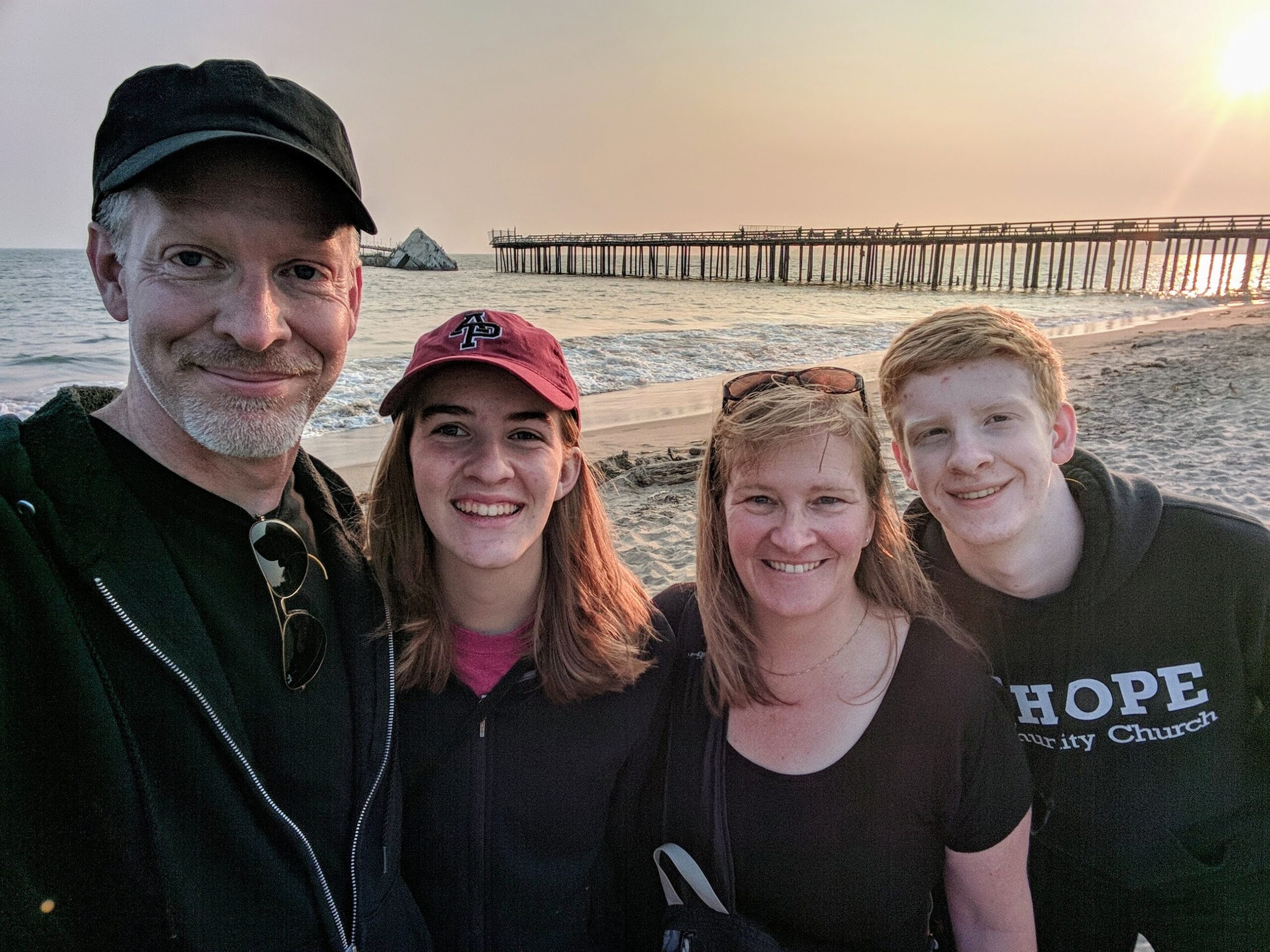
Saving for higher education dreams is also a family affair; family and friends are usually happy to be a part of your savings journey. Including children in their higher education savings efforts teaches them about responsibility, planning, and the value of investing in their future. Sharing dreams and group savings efforts create family bonding, just like a family road trip does.
The Destination
Arriving at your chosen destination isn’t the end of the road—it’s a new beginning of exploration and more memories in the making. All the planning efforts pay off. The time spent together as a family is priceless.
As the 529 savings journey comes to an end, a new one begins. When a child settles into a college campus, starts classes at a vocational school, or begins their apprenticeship for a dream job, years of savings and planning come to fruition. It is the beginning of their grown-up path, supported by a foundation laid by their family.
Let the Adventure Begin
Family road trips are measured in miles covered and memories made, and education savings are measured in time and dollars. Both represent powerful investments in experiences and opportunities. Planning for both requires a vision, dreams, flexibility, and commitment—ultimately providing rewards far beyond the desired destination. Watching my children graduate from college with very little student loan debt was well worth the time and effort spent saving for their futures.
Whether you’re hitting the open road this summer or forging the path to your child’s dream, remember that preparing for the journey is just as important as the arrival. Your next great adventure starts with a single step! Explore the benefits of saving in a 529 plan in your state.
About the author:
Jenn Dyck is a Communication & Marketing Specialist for Washington Education Savings Plans (WA529). Jenn lives in the Pacific Northwest and is passionate about encouraging others to pursue higher education. Recently, she returned to college to complete her bachelor’s degree at the same time her two young adult children earned theirs. WA529 helps families save for educational expenses, with a vision of fostering a well-educated community by helping students and families overcome financial barriers to education and avoid future debt. WA529 offers families tax-advantaged 529 plan options to save for future college and career training expenses: the GET 529 Prepaid Tuition Plan and WA529 Invest Education Savings Plan. Visit 529.wa.gov for more information.
By Colleen Davis, Delaware State Treasurer
July 29, 2025
Close your eyes and visualize college. What do you see? Most people would say classrooms, lectures, textbooks, essays, tests. Some might jump ahead to the last day, wearing a cap and gown and holding a diploma. Others might visualize a lush, green quad with students studying and socializing. Or you might see the opportunities to play sports, take part in activism, or – let’s be honest – party the night away.
The truth is that a higher education can encompass all these things and more – blending the people, the ideas, and the challenges we encounter into a mold that shapes us as people. With that in mind, I’d like to share some of the lessons I’ve gained from my own educational experiences.
Your Major Doesn’t Define Your Life
College is a great way to prepare for a career – but it doesn’t lock you into a rigid path. When I went to college for molecular biology, no one (including me) imagined I’d one day go into public finance.
As an undergrad, when I wasn’t in class or at soccer practice, I worked nights in the library. My job was to process inter-library loans – pulling books off the shelves and shipping them all over the world. In doing so, I started to expand my horizons as I was exposed to knowledge well outside the focus of my studies. It stimulated my curiosity and made me realize how much more there was out there to learn.
After graduating, I went to work as a scientific researcher for a biologics company. As exciting as the lab could be, I quickly realized that I needed more direct human connection in my career. So back to school I went for a master’s program to become a physician associate. Still no sign of public finance! That came much later.
It’s Not Just What You Know – It’s How You Think
Vital though it was for me to learn about cells, DNA, human physiology, and so on if I was going to be a molecular biologist, I gained far more value in school from learning how to think like a scientist.
Research isn’t something you can do on Google. It’s a process of developing hypotheses, figuring out how to test them accurately and effectively, and then interpreting your results. A good researcher doesn’t start with an answer – she starts with a question, she’s willing to challenge her own assumptions, and she follows the data wherever it leads.
But even students who don’t study science learn critical thinking – perhaps the greatest life skill of all. When you learn to think critically, you can solve problems that go far beyond work or school. It unleashes your mind to consider what’s working, what isn’t, and what to do about it. And when you surround yourself with other critical thinkers who are willing to challenge you as well as themselves, you can truly make magic together.
Today, with so much information accessible at a moment’s notice, it’s not as important as it once was to memorize every fact and formula. What matters is learning how to evaluate the facts in front of you in ways that foster understanding, innovation, and progress.
Leadership Is More Than Giving Orders
As a student athlete, I was just one player on the soccer team, but I was drawn to a leadership role. And in the process, I discovered that there were so many paths other than my own to reaching a common goal – like, say, scoring a goal.
Our team was a blend of people with different personalities, ages, life experiences, and priorities – and we all had to pull in the same direction. Of course, I quickly found that not everyone was going to do it my way. Instead, I learned to create space for my teammates to do the things they excelled at so that we could win together.
Leadership is about sharing accountability, creating mutual understanding, and putting your teammates in position to succeed. But reading it on this blog only does so much – you must go out and have those experiences for yourself.
Final Thoughts
More than degrees or credentials, my education has shaped how I think, how I work with others, and how I approach my duties as a leader. It has taught me to ask tough questions and to keep expanding my horizons. As much as I’ve learned about medicine, business, and finance, I could not have applied it nearly as effectively if not for these skills I picked up along the way.
That’s why I believe so strongly in the value of higher education – and why I work hard to make it more accessible. As a parent of three in Delaware, I know personally what it’s like to be intimidated by the cost of college. It’s never been more important to start saving for college as soon as possible, and I’m proud to facilitate my state’s 529 plan, which helps families get ahead of all those expenses.
You don’t have to know exactly where your children’s education will take them, but when you give them the chance to learn, grow, and forge their own paths, the possibilities are truly endless.
About the author:
Colleen C. Davis has served as Delaware’s State Treasurer since 2019, focusing on three main priorities: bolstering retirement security and readiness through Delaware’s DEFER and EARNS programs, creating pathways to economic empowerment through plans such as DE529 and DEpendABLE, and promoting a culture of financial excellence. Treasurer Davis currently serves on the CSPN Executive Board.
By Jessica Wetzel, Director, Wisconsin 529 College Savings Program
July 22, 2025
When many families hear the term “529 college savings plan,” they often think of saving for a traditional four-year college. While that is a desirable option for many students, savings in a 529 plan can be used for various educational pathways outside of a four-year degree that can lead to rewarding and well-paying careers.
Beyond Just the Four-Year Track
Today’s workforce is full of opportunities that require different types of education or specialized training – and 529 plans can help fund many, including:
- Two-year associate degree programs at community colleges
- Trade, technical, and vocational schools (ex: plumbing, HVAC, cosmetology)
- Registered Apprenticeship programs (certified with the Secretary of Labor under the National Apprenticeship Act)
- Certificate programs (ex: healthcare, technology, business)
Whether a student is studying to become a dental hygienist, computer technician, or electrician, your 529 savings can play a critical role in helping them get there.
Potential of a Two-Year Degree
Though a bachelor’s degree can often lead to higher lifetime earnings, it is not the only way to achieve career success or financial stability. According to data from the U.S. Bureau of Labor Statistics, any level of education beyond high school correlates with higher earnings and lower unemployment.
For students who are unsure about committing to a four-year degree or who want to reduce their education costs, pursuing a two-year associate degree from a community college or technical school can be a great option. In 2024, entry-level occupations typically requiring an associate degree had a median annual wage of $57,150, compared to an annual median wage of $48,360 for those with only a high school diploma (“Education pays, 2024,” Career Outlook, May 2025).
Many two-year programs are even designed to seamlessly transfer to a four-year program, ultimately allowing students to earn a bachelor’s degree at a reduced cost. Not only does this route offer potential cost savings, but it also gives students more time to explore their interests, identify their strengths and talents, and determine their career goals.
And because there is no time restriction on when a student uses their 529 plan savings, they have the option of securing a two-year degree, entering the workforce, and tapping back into their 529 plan down the road if they decide to return to school to advance their education further.
Certificate & Apprenticeship Programs
Certificate and apprenticeship programs can also lead to strong salaries in high-demand industries. In fact, according to the U.S. Department of Labor, the average starting salary after an apprentice completes an apprenticeship program is $84,000 annually.
Many certificate and apprenticeship programs are offered through accredited trade, technical, and vocational schools, where you can utilize your 529 plan savings. Apprenticeships combine classroom instruction with hands-on, paid work experience, giving participants a head start in their chosen industry. Your 529 plan savings can help cover costs like tools, books, supplies, or course fees required to complete training.
A wide range of industries and a growing number of employers are implementing apprenticeships to meet their needs. If this type of pathway sounds like a good fit for your student, explore the Department of Labor’s Registered Apprenticeship Industries page to learn about high-demand occupations and find industry resources.
529 Plans Offer Evolving Flexibility
In today’s fast-changing economy, flexibility is critical. Many jobs that didn’t even exist a decade ago now require specialized training or certifications. Yet, the term “college” continues to evoke the idea of a four-year school for many. Whether you are just starting to save or have been putting aside money in a 529 plan for your student’s future for years, remember that success doesn’t have a one-size-fits-all path, and 529 plans continue to evolve to support many education and training options.
As a powerful, tax-advantaged savings tool, a 529 college savings plan can help families prepare financially for higher education while offering the flexibility needed to support a student’s unique career path — whether it involves a university lecture hall, a welding bench, or a computer coding bootcamp.
About the Author
Jessica Wetzel is the director of the Wisconsin 529 College Savings Program at the State of Wisconsin Department of Financial Institutions (DFI). DFI is the state administrator of Wisconsin’s Edvest 529 (direct-sold) and Tomorrow’s Scholar (advisor-sold) plans, which collectively hold more than $8 billion in assets under management. Jessica earned a B.S. in Community Education & Urban Studies from the University of Wisconsin, Milwaukee, along with a certificate in Community Based Organization Policy & Leadership. Before joining DFI, Jessica worked for over a decade in Wisconsin’s community and economic development sector, where she successfully led and supported programs and organizations dedicated to helping low- to moderate-income individuals and families achieve homeownership, start small businesses, and join the financial mainstream.
By: South Carolina State Treasurer Curtis Loftis, Administrator of Future Scholar College Savings Plan
For years, I have encouraged families in my state to save for their child’s education with South Carolina’s Future Scholar 529 Plan. As a strong advocate for 529 plans, I applaud families everywhere who make consistent 529 contributions. They have shown their commitment to helping cover their child’s necessary expenses when taking the next step in their education journey.
Families who choose to save in a 529 account to cover college expenses can celebrate reaching their important goal when they begin withdrawing 529 funds – tax-free – to pay for qualified education expenses. Understanding how 529 distributions work will make the process simple.
How to Use 529 Funds: Step-by-Step
First, know what your 529 funds will cover.
For higher education, your funds will cover tuition, fees, books, supplies, computers, equipment, meals and housing (if your student is at least a part-time student) for eligible educational institutions – including two- and four- year public and private colleges throughout the U.S., international schools, graduate and professional programs, trade schools and registered apprenticeships.
Your child may also use 529 funds for off-campus housing and meals. However, any costs associated with living off-campus should not exceed the room and board allowance your school has identified as “the cost of attendance.” You can usually find information on the cost of attendance on the college’s website.
When using 529 funds to purchase books, be sure the books are required reading for the course your child is enrolled in. The same goes for computer programs. Computers and computer software must be for educational purposes and not related to games or hobbies.
That’s not all. With the recent passage of the One Big Beautiful Bill Act of 2025, funds in 529 accounts can now be used for more qualified expenses than ever before. This legislation expands the definition of qualified educational expenses to include additional costs associated with K-12 education, tutoring, standardized testing fees, and much more. In addition, the costs associated with obtaining and maintaining certain professional credentials, certifications, and licenses are now also considered qualified expenses under the new law.
Next, add it up.
Add up all your qualified education expenses, then subtract from the total any tax-free educational assistance you will receive, such as tax-free scholarships, educational assistance from a qualifying employer program, or veteran’s education assistance. This step helps you determine the amount you will need to withdraw from your 529 account.
Your plan administrator will provide you with Form 1099-Q listing your 529 withdrawals for the year. Remember, your withdrawals for qualified education expenses will not be taxed. If you use funds for non-qualified purposes, your earnings, but not your contributions, will be taxed at ordinary income rates plus a 10% federal tax penalty, in most cases.
Then, withdraw your funds.
When it’s time to request a distribution from your 529 account, most plans will allow you to make your withdrawal request electronically on their customer portal, by mail, or by telephone. Usually, the most efficient way to receive your funds is to have them deposited directly into your bank account. From there, you can easily submit the payment to your child’s school electronically or reimburse yourself if you have already paid for the qualified education expenses.
If you choose to have funds deposited into your bank account, be sure to update your bank account information with your 529 plan at least 30 days before you plan to withdraw funds. Also, check that your account’s email and mailing address are current so you receive all important updates.
When you withdraw 529 funds is important.
Withdrawing money from your 529 account at the right time is crucial. Withdraw your funds in the same calendar year – not school year – as you incurred the expenses so that the year’s withdrawals match up with the year’s education expenses for tax purposes.
For example, if you pay for spring semester classes in December of 2025, you should request your distribution for reimbursement by the end of 2025. Do not wait until your child begins spring semester classes in 2026. You can always withdraw the funds earlier in 2025 in anticipation of paying tuition in December.
Save your receipts of expenditures and list all distributions for your records. At the end of each calendar year, you can go through your receipts to make sure you have withdrawn funds for all qualified education expenses. Be sure to allow time for your 529 plan administrator to process your withdrawal request to make sure all processing is completed in the same calendar year.
Congratulations on a job well done.
You chose to provide your loved one with the important gift of education. You saved to help your child achieve the goal of a successful future, and it’s now time to reap the reward of your dedication to that goal. Best of luck to your family and your very lucky beneficiary!

About the author: Curtis Loftis is the State Treasurer of South Carolina. He also serves as the administrator of South Carolina’s Future Scholar 529 College Savings Plan. Visit treasurer.sc.gov or futurescholar.com for more information on ways to save through a 529 plan.
By Jonathan Hughes, Associate Director of College Planning and Content Creation, Massachusetts Educational Financing Authority
June 24, 2025 (reprint from June 2024)
If there is one pernicious myth that I could stomp out of existence, it would be this one: “I can’t save any money for college because the financial aid office will see it, and then I won’t receive any financial aid.” Though this is a common belief among families with college-bound students, it’s not true. Let me explain.
Financial aid is awarded on two bases: merit and financial need. When you hear about academic, artistic, or athletic scholarships, these are examples of merit-based aid granted to recognize student achievement. In most cases, family finances are not considered when awarding merit-based aid.
Most financial aid is need-based. When applying for financial aid, families are asked to submit financial aid applications, including the FAFSA®. Based on the information reported, including income, assets, taxes paid, and family size, students receive a Student Aid Index (SAI). This formula-calculated figure is intended to represent a family’s financial strength and ability to pay for college. A low SAI means more eligibility for financial aid. Most people assume that saving for college will result in a high SAI and, therefore, less financial aid eligibility.
What most people need to know is that most of the weight in the SAI calculation is given to income, not assets. In fact, the SAI formula used by every college and university only takes into account, at most, 5.6% of parent total assets, which include college savings accounts. This means if a family saved, for example, $50,000 for college, the SAI formula would only include $2,800 of that in the student’s SAI. So, the impact of saving for college on financial aid is minimal, to say the least. And remember, if a family has saved $50,000 for college costs, that means they’ll have $50,000 to use for the college bill that they won’t need to borrow and pay back later with interest.
College savings accounts started by grandparents have even less effect on financial aid because they’re usually not counted at all. In the past, grandparent contributions from a college savings account toward a college bill counted as student income on the FAFSA, which had a detrimental effect on that student’s financial aid eligibility in later years. That treatment has been changed. Now, college savings accounts owned by grandparents (as well as aunts and uncles) and distributions from those accounts are not asked for anywhere on the FAFSA. The CSS Profile, a financial aid application used by roughly 200 colleges across the country, does ask for information about relatives who plan to provide funds to help pay for college expenses, but it’s up to each college whether or not that information is even considered when awarding financial aid.
Over the years, I’ve spoken with many families who are very concerned about the impact that saving for college will have on their child’s financial aid. But their minds are put at ease once I explain how the SAI formula works. In all my years working to guide parents through college planning, I’ve never spoken to one parent who has regretted saving. In fact, the most common sentiment I hear is, “I wish I had done more.”
Our message to families should be one of encouragement and education, letting them know that if they haven’t started saving for college, they should begin today.
About the author:

Jonathan has worked at Massachusetts Educational Financing Authority (MEFA) for 20 years, helping families in Massachusetts prepare for college. As Associate Director of College Planning and Content Creation, he provides guidance on planning, saving, and paying for college to students and their families and serves as host of the MEFA Podcast.
By Eric Bennett, College Countdown Editor, ScholarShare 529
June 17, 2025
Parents, here’s an important message for your rising seniors: This summer is not just for relaxing. Your teen should get things done. Help your student finish as much college application work as possible before senior year starts.
Tasks to complete before senior year:
- Family Discussion – Have a conversation about everyone’s expectations for college options. Has the current situation changed where your student is willing to attend? Have financial matters affected their choices? Ensure everyone is on the same page.
- Decide on Testing – Many colleges are continuing test-optional policies. Decide if your student wants to take or retake the SAT/ACT this fall. If strong scores are achievable and they have time to prep, taking the test could be beneficial. Otherwise, use the summer to strengthen other parts of their application. Know the testing policies for each college on their list.
- Letters of Recommendation – Many colleges require at least one letter from a high school teacher, usually from an 11th-grade core class. Encourage your student to ask for recommendations this spring or early summer. Reassure them that even if they only knew the teacher virtually, colleges want to hear how they adapted to new learning styles.
- Open a Common App or Coalition App Account – Have your student start filling out their application. Even if their college list isn’t final, they can complete the common sections over the summer (e.g., biographical info, school and coursework, activity list).
- Write the Personal Statement: Your student will need one main essay for the Common/Coalition App. Encourage them to start writing it now so they can focus on supplemental essays in the fall. Aim to have the personal statement finished before school starts.
- Narrow Down the College List: Your student may need to finalize their college list without visiting all campuses. Use virtual tours and events to research colleges. Aim to start senior year with a shortlist of colleges that meet their criteria and spread across the selectivity spectrum. The goal is a balanced list they’re excited about.
Completing these tasks over the summer will make the fall much easier for your Senior and give them more time to enjoy their final year of high school. Encourage them to get excited about next year. Working on things within their control is a positive reminder that the future is bright and they’re moving forward.
About the author:

Eric Bennett is the editor for College Countdown, a website maintained by ScholarShare 529 for families with college-bound kids. Eric has over three decades of experience in higher education managing recruitment and marketing, financial aid, and student development at three universities from Georgia to California to New York City.
By: Chris Scott, Manager of 529 Plans and Financial Education at the Arkansas State Treasurer’s Office
June 10, 2025
Fatherhood has taught me a lot – how to make dinner while helping with homework, how to deliver a dad joke under pressure, and how to mediate arguments about absolutely nothing like it’s a global peace summit. But more than anything, it’s taught me the value of showing up today while building for tomorrow.
Raising two kids around age 10, I spend a lot of time thinking about who they’re becoming and how different they are. My daughter is a creative visionary with zero regard for clean surfaces. She dreams of being an artist, a musician, and a doctor – all at once. That’s probably three degrees – and hopefully, a lot of scholarships, but her imagination is boundless.

My son? Just as bold. He wants to be both a professional gamer and a soccer star – a career that somehow combines footwork and Fortnite. Last year, he wanted to be a chef in a restaurant… on the moon. His career goals may be all over the place (and off-planet), but his curiosity is constant. He’s also fascinated by math theories that go way over my head.
Together, the three of us form a trio full of energy, dreams, and chaos. Their ambitions shift month to month, but my role doesn’t: to support them, believe in them, and help open doors to whatever future they choose.
And I’ve been thinking more about the pace of change lately. I’m closer to 40 than not, and part of the last generation to grow up without the internet in every pocket. I remember beepers and floppy disks. Then came dial-up, flip phones, smartphones, and now AI. My kids won’t know a world without Wi-Fi, and I have no idea what the world will look like when they’re adults. But I do know they’ll need options. They’ll need opportunities. And that’s something I can plan for.
That’s why I’m grateful for 529 plans – not just as a savings tool, but as a foundation for possibility. I’ve worked in the 529 space for nearly as long as I’ve been a dad. In that time, I’ve watched both my kids and these plans evolve in ways I couldn’t have predicted. My daughter’s gone from finger-painting the TV to composing her own songs. My son has gone from aspiring moon chef to the kind of kid who quizzes his orthodontist on algebra. 529s have grown too – covering apprenticeships, allowing rollovers to Roth IRAs, and keeping up with how education and the workforce keep changing. Neither my kids nor 529 plans are done changing, either.
Every contribution to their 529 accounts is an investment in their dreams – whether those dreams involve paintbrushes, stethoscopes, soccer balls, or space helmets. I’m not just saving for higher education. I’m saving for possibility.
This Father’s Day, I’m celebrating more than being a dad – I’m celebrating the chance to shape a brighter future where money doesn’t limit their potential, and where their wildest dreams have a real shot.
A 529 plan isn’t just a smart financial tool – it’s a powerful way to say: “I believe in you.”
About the author:
Chris Scott serves as the Manager of 529 Plans and Financial Education at the Arkansas State Treasurer’s Office, where he has been with the Arkansas Brighter Future 529 program since 2017. He also played a key role in launching the Arkansas ABLE plan in 2018, expanding savings opportunities for individuals with disabilities. With nearly a decade of experience spanning data analysis, relationship management, government relations, project management, marketing, strategic partnerships, and outreach, Chris is known as a trusted problem-solver and advocate in the 529 and ABLE space.
When my son was born last year, it didn’t take too long for the glow of welcoming a new baby to give way to the anxiety of planning for his future, starting with how we’d afford the ever-rising cost of college. Like many parents, I opened a traditional 529 investment account to set him up for success.
But what happens when markets don’t cooperate? As recent volatility shows, even the most conservative strategies are subject to the highs and lows of a turbulent market. When the only certainty is uncertainty, prepaid 529s like Private College 529 Plan offer a safe port in the storm.
What is Private College 529 Plan?
Private College 529 Plan (PC529) is a nationwide prepaid plan owned and operated by a consortium of nearly 300 private colleges and universities. It is designed to help families save confidently for the cost of private higher education by shielding them from tuition inflation. Unlike traditional 529 investment plans, a PC529 account has no market exposure. Instead, your contributions are used to prepay a guaranteed percentage of annual tuition at today’s rates across hundreds of institutions around the country, including Stanford, Princeton, and Notre Dame.
How Private College 529 Plan Works
When you save in a PC529 account, any deposits you make lock in a percentage of a year’s tuition at each member college. Because tuition prices vary, this percentage will be different at each school. At the end of the plan year (July 1 – June 30), deposits are aggregated in a single Tuition Certificate per college, representing the total percentage you have locked in.
Suppose you open an account and contribute $30,000 between July 1, 2024, and June 30, 2025. That $30,000 will have locked in a different percentage of tuition at each participating institution, and your Tuition Certificate could look like this:
| Institution | Annual Tuition | What $30,000 Locks In |
| College A | $40,000 | 75% of a year |
| College B | $50,000 | 60% of a year |
| College C | $60,000 | 50% of a year |
*This is a very limited example. Your contribution locks in tuition at all member colleges.
Member colleges guarantee that you own these percentages no matter how much tuition increases or what happens in the financial markets, even if you never make another deposit.
A Smart Way to Diversify Your College Savings
For many families, it is difficult to choose between a traditional 529 investment plan and a prepaid plan like PC529, but there is a simple solution: why not use both?
A traditional 529 investment plan is a smart way to cover qualified education expenses like room and board, books, and supplies, while Private College 529 Plan lets you prepay and lock in tuition rates to manage future costs better.
Even as 529 investment accounts shift to more conservative options as college nears, your savings still face market risk, whether it’s losing value at the worst time or growing too slowly to keep up with rising tuition. On the contrary, PC529 provides a way to protect your college savings from market risk while keeping pace with tuition inflation.
You can easily fund your PC529 account with a rollover from a state 529 plan, without tax implications, and start redeeming your prepaid tuition after a 36-month hold period. This means you can open an account as late as your child’s senior year of high school to save on the final college tuition bill.
If your child chooses not to attend a member college, you have options. The account owner can change the beneficiary to another child, roll over funds into another 529 plan, or request a direct refund of your total contributions plus net investment returns between 0-2% compounded annually. At minimum, you will get your original contributions back.
Save at Today’s Rates by Acting Before June 30
There will never be a one-size-fits-all approach to saving for college, but families deserve access to tools that offer a level of certainty in volatile times. Now, a little more than a decade removed from my own college graduation, I’m already experiencing extreme sticker shock looking at today’s college tuition prices. By incorporating Private College 529 Plan into my family’s savings strategy, I am turning tuition inflation to my advantage, protecting against rising costs at hundreds of colleges nationwide and adding guaranteed security to my savings.
If you think PC529 is right for you, there is no better time to save! New tuition rates go into effect on July 1, and costs are expected to rise. Instead, open and fund your account by June 30 to lock in the current year’s tuition rates.
Whether your child is still in diapers or touring college campuses, now is the best time to plan for the future by saving with Private College 529 Plan.
About the author:
Connor Swan is the Manager of Partner Success at CollegeWell and Private College 529 Plan. In this role, he builds strong, collaborative relationships with the organization’s nearly 300 participating private colleges and universities to drive engagement with their broader networks in creative and strategic ways. Questions about Private College 529? Reach him at cswan@pc529.com.
By Arizona Treasurer Kimberly Yee
May 27, 2025
As many states, like Arizona, experience population and job growth, addressing the need for higher education to prepare a qualified and skilled workforce is essential. Higher education comes with costs. That’s why it’s crucial to prepare families to start saving early for their loved ones’ future education and create a plan and pathway for these savings.
In October 2020, I became the Administrator of the AZ529, Arizona’s Education Savings Plan. Since then, my office has opened over 54,000 new accounts and increased assets by 45%. From day one, it has been my goal to bring this important savings plan to families who have never thought about college or higher education and provide the encouragement that higher educational opportunities are for everyone.
As I travel around Arizona, I meet with individuals in schools, business and education groups, senior citizens, and veteran communities to discuss the benefits of opening an AZ529 Plan. Expanding the awareness of the AZ529 Plan included developing online marketing and materials translated into Spanish and Navajo, which has been an extraordinary success.
Many are unfamiliar with information on eligibility. I share that parents are not the only individuals eligible for tax benefits; any contributor, including grandparents, aunts, uncles, and friends, may receive tax deductions. Additionally, I encourage young professionals who do not yet have their own families to open an account for a niece or nephew or even for themselves, as accounts may be used for ongoing education, including graduate degrees.
I have enjoyed many conversations with families who are now opening their AZ529 Plans with new confidence as they begin the first steps to planning their child’s future, whether their education will be in a university setting, community college, vocational school, workforce development, or apprenticeship program.
Setting up a 529 Plan is more important than ever as college and higher education costs continue to rise. Student loan debt has reached an all-time record high of $1.77 trillion nationally. The funds from a 529 Plan may be used for tuition and fees, books, supplies, room and board, and student internet access at postsecondary institutions across the country. Funds may also be used towards K-12 private school tuition and paying off student loans.
Recent additions by the federal SECURE 2.0 Act have addressed the common question asked by account holders: “What if I put too much into my 529 Plan and my child doesn’t use it all?” Now, 529 Plans allow account holders to transfer up to $35,000 tax and penalty-free to a beneficiary’s Roth IRA retirement account with longstanding 15-year holders of these accounts. This is good news and provides families with financial flexibility and peace of mind.
Making savings easy and accessible, and meeting families where they are positively impacts a child’s education and enhances our future workforce.
On May 29th, or National 529 Day, my office proudly celebrates education savings by surprising a family in Arizona with a special gift. During this time last year, we had the opportunity to surprise first-time parents and their newborn baby with $529 towards an AZ529 Education Savings Plan. As the new parents received this surprise gift and the newborn in their arms, it was a remarkable experience to see the family overwhelmed with joy and emotion.
The gift of a 529 Plan is more than just a financial contribution. It is a long-term investment towards a loved one’s future that will last a lifetime.
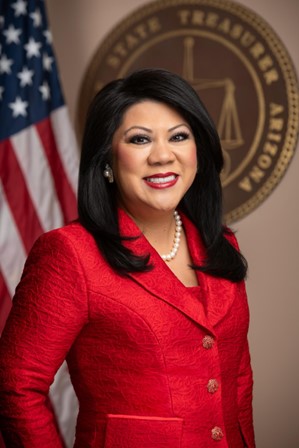
About the Author
The Honorable Kimberly Yee is the Treasurer of Arizona. When she took office, she asked for the AZ529 Education Savings Plan to be placed under her administration. In a short period of time of 54 months, Arizona’s 529 accounts have increased by 54,178 new accounts with $2.46 billion in AZ529 assets under management. She has reached diverse communities and families in every county of our state and increased access by translating materials into Spanish and Navajo. For more information about the AZ529 Education Savings Plan, visit http://www.az529.gov.
Whether you’re saving for one child or six, use these saving strategies to reach your education savings targets.
Start Early. When you’re managing a budget for a growing family, saving for the cost of future education can be daunting. Let time work on your side by setting aside as much as you can while your children are young. Starting early allows you to make modest contributions that can benefit from compounding interest over time.

Make a Plan. Setting an education savings goal can help you stay on target and on track. To make a plan, start with an online savings calculator. Many 529 plans have state-specific calculators that give you an estimate of what future education expenses will be at your dream college or university. The number you see may feel unattainable, but saving early, often, and strategically can be a great way to reach your goal.
Save Systematically. Whether you set up recurring contributions from a bank or payroll direct deposit, saving systematically is an automated way to build your savings quickly. Consider directly depositing $150 per pay period into your 529 account. After 26 pay periods in a calendar year, you would have nearly $4,000 in contributions to your 529 account.
Adjust as Needed. At least once a year, take a moment to review your contributions, your investment growth, and the needs of your family, and adjust your automatic contributions. Increasing automatically is an option for many 529 plans, but it’s never a bad idea to take the opportunity on 529 Day or during college savings month to boost your contributions. It’s often said that when your child reaches their next milestone (out of diapers, out of daycare, etc.), it’s a good time to increase the contribution amount. Whatever works best for your family, be sure to assess and adjust.
Why this Matters: Funding post-secondary education can seem far away when your children are still in diapers, but 18 years can fly by. Making a plan and sticking to it can accelerate your education savings and relieve the financial burden of post-secondary education when the time comes, especially when you are saving for more than one beneficiary.
About the author: Lael M. Oldmixon, M.Ed. is the Executive Director of the Education Trust of Alaska, which offers Alaska’s three 529 plans, Alaska 529, the T. Rowe Price College Savings Plan, and the John Hancock Freedom 529. She lives in Alaska with her spouse, two children, and two dogs.
Photo courtesy of Lael Oldmixon. Pictured are her two beneficiaries, who are no longer this small.