


By Devon Copeland, Senior Communications Associate, Invest529
January 7, 2025
As we enter 2025, many people are examining their spending habits more closely. Beyond balancing budgets, there’s a growing focus on making financial decisions that reflect their values and support what matters most—family, education, and a secure future.
For parents, grandparents, and guardians, investing in education is one of the most meaningful ways to align finances with purpose. Whether you’re preparing for a child’s college tuition, a trade school certification, or even your own professional development, a 529 account offers a flexible, tax-advantaged way to save for education expenses.
Here’s how a 529 account can help you meet your 2025 financial goals while staying true to your values:
1. Put Your Money Where Your Priorities Are
529 accounts are more than just savings tools—they’re a commitment to education and lifelong learning. In 2025, a 529 account can be a purposeful way to invest in the future you want to see for your family.
Qualified expenses include tuition, fees, room and board, textbooks (if required by the syllabus), and even student loan repayment in some cases. By contributing to a 529 account, you’re making a choice to empower opportunities and break down financial barriers to education.
2. Stay Flexible with Education Plans
Education looks different for everyone, and a 529 account recognizes that. Funds can be used for a variety of post-high school pathways, including trade schools, community colleges, four-year universities, and registered apprenticeships.
Not sure what the future holds? No problem. 529 accounts allow for beneficiary changes, meaning if one child doesn’t use the funds, you can transfer them to another family member—or even to yourself if you’re planning a career pivot or learning opportunity.
3. Let Your Money Work Smarter for You
Saving in a 529 account offers tax advantages that let your contributions grow more efficiently. Earnings are tax-free when used for qualified education expenses, and some states, like Virginia, offer state income tax deductions for contributions.
Think of it this way: Every dollar saved in a 529 is a dollar you won’t have to borrow with interest later. This not only protects your budget but also supports financial independence for the next generation.
4. Start Small, Dream Big
One of the best things about a 529 account is its accessibility. You don’t need to make large contributions to make a significant impact. Small, consistent contributions—whether monthly or annually—can add up significantly over time.
If you’re looking for ways to engage friends and family in your savings journey, consider encouraging them to contribute to your 529 account instead of giving traditional gifts. Many plans allow you to send gift links for easy contributions.
5. Take Advantage of the Present
In 2025, don’t wait to start saving because you feel like you’re behind. Whether your child is in diapers, middle school, or nearing graduation, it’s never too late to make progress. Start with what you can today—every bit counts.
By prioritizing a 529 account, you’re not just saving money but creating a legacy of learning, empowerment, and financial stability.
Make 2025 a Year of Intentional Choices
The new year offers individuals and families an opportunity to focus on financial decisions that align with what matters most. Opening or contributing to a 529 account isn’t just about dollars and cents; it’s about investing in opportunities, dreams, and the values you hold dear.
About the Author
Devon Copeland is the senior communications associate with Invest529. Invest529 makes education more accessible and affordable for families and individuals. The program is administered by Commonwealth Savers Plan, which oversees education 529 saving programs with more than $110.7 billion assets under management and 3.1 million accounts as of November 30, 2024, making it the largest 529 plan in the nation. For more information on Invest529’s education savings options, visit Virginia529.com or call 1-888-567-0540 to obtain program materials.
Essential Tips for High School Students and Their Parents
Preparing for post-secondary opportunities is an exciting and sometimes overwhelming journey. For high schoolers and their support system, it’s a time filled with anticipation, decision-making and preparation. Here are some tips to help navigate this significant milestone.
Research Potential Options Early
Create a checklist to stay organized for the application process and ensure nothing is overlooked. Research potential colleges, trade schools and apprenticeship programs; understand their application requirements and keep track of important deadlines. Utilize resources like a high school guidance counselor; college and work fairs; and online databases to gather information.
Academic Preparation
Academic performance in high school plays a vital role in college admissions. If available, Advanced Placement (AP), International Baccalaureate (IB) or dual-enrollment courses, can demonstrate readiness for college-level work and can earn college credit. For those looking at skilled-trade options, work with a high school guidance counselor to see if pre-apprenticeship or apprenticeship program opportunities are available while in high school.
Financial Planning and Scholarships
Post-secondary education can be expensive, but numerous financial aid options are available. Keep in mind, financial aid isn’t always free money, and some financial aid may be tied to academic performance. If there is a repayment plan, it is important to understand the terms and ask questions. Additionally, search for scholarships and grants offered by colleges, private organizations and local community groups. Every bit of financial aid can make a significant difference!
Don’t forget about 529 plans! It’s never too early or too late to start an account; every dollar saved is better than a dollar borrowed.
Extracurricular Activities and Leadership
Colleges look for well-rounded students who want to be involved in the campus community and may consider a student’s high school involvement in extracurricular activities. Participation in clubs, sports, volunteer work or part-time jobs can show commitment and passion in their pursuits. Be sure to highlight any leadership roles or significant achievements. These experiences can help make a college application stand out.
Campus Visits and Virtual Tours
Visiting college campuses can provide valuable insights into the environment and culture of potential schools. Schedule campus tours, attend information sessions and talk to current students and faculty. For colleges farther away, many offer virtual tours and online webinars.
Embrace the Journey
Approach this journey with an openness to exploring different options. There are many paths to success, and each person’s journey is unique.
About the Author
Iowa State Treasurer Roby Smith is the administrator of Iowa’s 529 Education Savings Programs, ISave 529 and the IAdvisor 529 Plan, with over $7 billion invested and more than $5.7 billion in qualified withdrawals.
By Anita Kelley, Savings Division Director, State of Alabama Treasurer’s Office
Soon after my second child was born, I realized that I needed to start saving for both of my children’s higher education expenses. I had just graduated college myself five years prior to his birth. I was fortunate that my parents funded my education and didn’t leave me with any student loan debt to pay. Knowing how important that was for me, I knew that I wanted to do the same for both of my children. I was working at a bank and talked to one of our investment specialists who educated me on 529 accounts. I immediately opened accounts for both my daughter and son. We were a young family with very little disposable income, but I set up automatic contributions that went straight into their 529 accounts. It wasn’t much each payday, but it was a start, and I increased the contribution amount over time.
18 years went by so fast, and before I knew it, my daughter was ready for college. I knew I had not saved all that it would cost for her to attend, but I had a good amount that definitely reduced the amount I had to worry about. My son was two years behind her and had decided he did not want to attend college, but instead wanted to become a firefighter. That left me with the question of what to do with the money I had saved for him in his 529 account.
There are several options if the beneficiary of a 529 account decides to not go to college.
1. You can leave the funds in the account in case the beneficiary or another family member can use the funds at a later date to attend school.
2. You can change the beneficiary to another member of the family for their higher education expenses.
3. You can withdraw the funds as a nonqualified withdrawal. The earnings portion (not the amount you contributed) is subject to federal and state income taxes and a 10% federal penalty tax.
I opted to change the beneficiary to my daughter who was currently a junior in college. The funds I had saved for him were now helping her and further reduced my out-of-pocket expenses!
It’s also important to note that in recent years, 529 accounts have become so much more flexible regarding their usage. The types of institutions that are now eligible for funds from a 529 account include not only four-year colleges and universities, but community colleges, trade, technical and vocational schools, as well as registered apprenticeship programs. So, if your child decides not to attend a traditional four-year school, the path they do go down may still be one that their 529 account can be used for.
After my daughter finished school, I kept her account open. I am now making automatic deposits into the account again, but this time the funds will be used for my soon-to-be granddaughter who made her entrance into the world in September! After her birth, I will change the beneficiary on the account from her mother to her and the cycle will begin again. Saving for a little one’s future, no matter what that future might hold.
About the author:
Anita Kelley is the Savings Division Director for State of Alabama Treasurer’s Office. Anita has been with the State of Alabama Treasurer’s Office for ten years as Director of the Savings Division, which oversees the Alabama ABLE Savings Plan, CollegeCounts: Alabama’s 529 Plan, and PACT (Prepaid Affordable College Tuition). She has previously served as Treasurer of The College Savings Plan Network and Co-Chair of the CSPN Communications Committee. Prior to working for the Treasurer’s Office, Anita was a Banking Center Manager and Vice President at BBVA Compass for 18 years where among other things, she sold 529 accounts to clients. She graduated from Huntingdon College in Montgomery, Ala.
By Jeremy Rogers, Director, New York 529 College Savings Program
November 12, 2024
Growing up there was never any real doubt in my mind that I wanted to serve in the military after high school. While college was always something that I figured could be an option down the road, it never really felt like a path I would go to right away. While this was mostly due to my desire to serve our country, the concern around costs to attend college was a factor. Growing up in rural Illinois, the costs of higher education always felt like too much of a hurdle for my family.
Looking back there was only one time that I really took a step back to re-think my decision to enlist in the Navy. That was when my father offered to sell our 80 acres of farmland to pay for college. The weight of that offer was immense to me as a teenager and truly made me rethink my plans. While he rented the land to a neighbor, it represented my father’s dream of someday farming his own land after years of working as a mechanic and retiring from the Army reserve. For him to be willing to give up that dream so that I could attend college right out of high school really highlighted the lengths that parents will go to provide for their children’s future, and the sacrifice he was willing to make for my future. While this offer caused significant internal reflection, I ultimately knew that serving in the military was the right decision for me.
Following my time in the service, and after giving a few different careers a try, I ultimately utilized the Post 9/11 GI Bill to attend college as a full-time student. Becoming the first person in my family to receive a bachelor’s degree felt like an incredible accomplishment, but it wasn’t without struggles. As anyone who has utilized the GI Bill knows, it offers amazing benefits and covers most of the major higher education expenses, but there are still costs that veterans or their family will have to cover. For example, the GI Bill provides $1,000 per year for books and supplies, which can be used up quickly if you are taking a full course load. Additionally, the GI Bill only provides 36 months of benefits, so while it covered all my undergraduate work, I still needed to take out student loans when I went back to school for an MBA. This is where savings in a 529 account can supplement the benefits that veterans’ or their families receive from the GI Bill.
This Veterans Day I strongly encourage my fellow veterans to explore the benefits that their service earned them, especially the GI Bill, if available to them. Visit the U.S. Department of Veterans Affairs website for more information
“As we express our gratitude, we must never forget that the highest appreciation is not to utter words, but to live by them.”
‒ President John F. Kennedy
About the Author
Jeremy Rogers is the Director of the New York 529 College Savings Program (NY 529) and previously served as a Nuclear Machinist Mate in the United States Navy. NY 529 includes the nation’s largest direct-sold program, New York’s 529 College Savings Program Direct Plan, which has over $43.7 billion in assets under management across nearly 1.1 million accounts, as of September 30, 2024. For more information visit nysaves.org or call 1-877-NYSAVES (1-877-697-2837).
By Lael M. Oldmixon, M.Ed , Executive Director, Education Trust of Alaska
It’s October, and we must take advantage of every opportunity to make metaphors about sweets treats like the benefits 529 savers are reaping with updates to the IRS Tax Code and the FAFSA. The past few years have brought significant changes to education savings, especially with the updates to the FAFSA and the enhancements to 529 plans through the SECURE Act and SECURE 2.0. The changes have two significant benefits and address barriers that have spooked potential savers for years!
Changes to Free Application for Federal Student Aid (FAFSA).
The FAFSA has undergone a significant overhaul, simplifying the application process. The redesigned form is more user-friendly, with more straightforward instructions and fewer questions. The effort to improve the FAFSA process is one many in higher education hope will increase access to need-based and other Federal Aid.
The FAFSA Simplification Act (2022) also had positive takeaways for 529 beneficiaries. The Act, which went into effect in 2024, no longer considers 529 plans owned by friends, relatives, or grandparents as student assets in the Federal Aid calculation. Withdrawals from these accounts will no longer count as student income and won’t directly impact a student’s Federal financial aid eligibility.
Even though the impact was quite small before, this change has removed a barrier and area of concern for many grandparents, friends, and relatives who wish to help their loved ones save for future education.
Find more about the changes to the FAFSA at https://studentaid.gov/.
Changes because of SECURE Act 2.0
The SECURE Act of 2020 included two provisions that expand 529 allowable educational expenses, including student loan payments (with a lifetime cap of $10,000) and qualified apprenticeship program expenses.
In late 2022, Congress passed SECURE Act 2.0, which expanded retirement benefits and included an enhancement to the 529 plans: making rollovers of unused funds to a Roth IRA a qualified expense. 529 plan owners can roll over up to $35,000 of funds into a Roth IRA for the beneficiary. The rollover is tax- and penalty-free, meaning beneficiaries can avoid taxes and penalties for nonqualified withdrawals while boosting their retirement savings.
To find out more about Secure 2.0, visit https://www.savingforcollege.com/article/roll-over-529-plan-funds-to-a-roth-ira.
Savers who hope for more sweet changes to 529 plans in the future can rest assured that the superheroes at the Colleges Savings Plans network are advocating for changes that will make saving easier, expand accessibility for all types of educational pathways, and tackle the multi-trillion-dollar monster that is student debt in the U.S.
About the author:
Lael M. Oldmixon, M.Ed , is the Executive Director of the Education Trust of Alaska, which offers Alaska’s three 529 plans, Alaska 529, the T.Rowe Price College Savings Plan, and the John Hancock Freedom 529. She lives in Alaska with her spouse, two children, and two dogs.
By Pennsylvania Treasurer Stacy Garrity
October 8, 2024
Parents encourage their children’s interests from the time they’re small by enrolling them in school, running them to sports practices, signing them up for camps, buying supplies and gear, and so much more. There’s one more very important step that parents can take to help their child succeed no matter where life takes them: Saving for their future education with a 529 plan.
Whatever a child’s passion is when they embark on a career path after high school, they’ll likely need some type of training and education to help them realize their goals. Whether they head to a four-year university, community college, technical school, or begin an apprenticeship, 529 plans are an excellent tool to help save and pay for those opportunities.
It’s never too late to start but saving early and often with a 529 plan is one of the best ways to make future tuition bills less intimidating.
Confucius is credited with saying, “The man who removes a mountain begins by carrying away small stones.” That theory also applies to education savings. Every small deposit into a 529 plan can make a big difference years from now with the power of compound interest growth and time on your side. Saving this way can help the next generation get the training they need without a mountain of debt.
A recent survey of 6,000 Pennsylvanians revealed that families have remarkably high expectations for their children’s educational future. This was true across all incomes, races/ethnicities, education levels, and marital statuses. New parents typically want their child to attain more education than they themselves accomplished.
However, the findings suggest that parents who reported it was “too early to start saving” often had lower expectations for their children’s future education. No other measure in the survey was so consistently associated with lower parental expectations. Unfortunately, parents with that mindset will have saved fewer assets and be less able to afford the growing cost of college, which may result in self-fulfillment of their initial lower expectations.
The good news is that other research has shown that even a small amount of savings set aside for a child’s future education can positively impact the child’s own view of whether they are capable of pursuing education after high school.
To find the best savings options in your state, the first thing to look for is whether your state has a Children’s Savings Account (CSA) program like Pennsylvania’s Keystone Scholars. CSAs are a great way to get a jumpstart on savings. In Pennsylvania, every child born since Jan. 1, 2019, has $100 automatically set aside for their future education.
Next, check out your home state’s 529 plan. With 529 plans, families enjoy great tax benefits that aren’t available with other savings options. Families pay no federal income tax on investment growth, and withdrawals used for qualified expenses aren’t taxed. And in many cases, you’ll find additional benefits for in-state residents. Often, no state income taxes are owed on earnings, and many states even offer a state tax deduction or credit on 529 plan contributions. There may also be other great benefits; for example, funds in a PA 529 account don’t count against a Pennsylvania resident’s eligibility for state financial aid, and they aren’t subject to state inheritance tax.
If you want to dig even deeper, CSPN has an amazing 529 Search & Comparison tool to help.
We live in exciting times, and I believe the future is bright for the next generation of the American workforce. Technology and the world are changing at lightning speed, which means your child’s future career may not even exist yet. But you can, and should, start saving today to help them prepare.
529 plans have been around for decades, and they’re more important than ever for parents and grandparents who are looking to save for their children’s and grandchildren’s education. It’s never too early to start saving with a 529 plan to pave the way for your child’s future.
About the author:
Stacy Garrity is Treasurer of the Commonwealth of Pennsylvania and oversees the PA 529 College and Career Savings Program which includes two plans, the PA 529 Guaranteed Savings Plan and the PA 529 Investment Plan, which has earned a Gold Rating from Morningstar. Treasurer Garrity has cut fees multiple times for PA 529 accounts, saving families more than $16.5 million. PA 529 has assets of more than $8 billion.
Devon Copeland, Senior Communications Associate, Invest529
September 3, 2024
Do you ever find yourself having a chat… with yourself? Well, I do! Especially when it comes to big life decisions—like saving for college. A couple of years ago, I had one of these “talks,” and you know what? It actually helped! So, I thought I’d share that inner dialogue in case you’re also wondering, “Is saving for education really that easy?” Spoiler alert: Yes, it is. And with College Savings Month here, there’s no better time to start!
Me #1: Okay, self, we need to talk about saving for the kids’ education. We’ve been putting it off for a while now.
Me #2: Ugh, I know… But doesn’t it sound a bit… complicated? And expensive?
Me #1: That’s precisely why we need to get a handle on it now. And guess what—I’ve done some research. Turns out, a 529 account could make it a lot simpler.
Me #2: Oh, I’ve heard of those! But what makes a 529 account so special?
Me #1: Well, for one, it’s super flexible. You can use it for a wide range of educational expenses—like tuition, books, room and board, and even some K-12 expenses. Plus, it’s not just for traditional four-year colleges. Trade schools, apprenticeships, and even online courses are covered!
Me #2: Hold on. So, I can save now, and the kids can decide later whether they want to be doctors or auto technicians?
Me #1: Exactly. And here’s another cool thing: the money grows tax-free. So, every dollar we put in has a chance to grow more quickly over time without Uncle Sam taking a cut. When it’s time to use the money, we won’t pay taxes on the withdrawals if they’re for qualified expenses.
Me #2: I do like the sound of that! But how much do we need to start?
Me #1: That’s another great thing. You don’t need a ton of money to get started. Most 529 accounts let you open one with a small initial deposit, and then you can contribute as little or as much as you want, whenever you want. It’s totally up to us.
Me #2: Wait, so I could start with, like, $25?
Me #1: Absolutely, or even less! And we can set up automatic contributions to keep it going without even thinking about it. It’s like a “set it and forget it” situation, which is perfect because… well, let’s be honest, we always have a lot going on.
Me #2: That sounds manageable. But what if we don’t end up needing all the money?
Me #1: Great question. We can always change the beneficiary to another child or even to ourselves. Maybe I’ll finally take that pastry course in Paris!
Me #2: Ooh la la, now you’re talking!
Me #1: See? It’s really a win-win. Saving for education doesn’t have to be hard or scary. It’s all about getting started and doing what works best for our family.
Me #2: Okay, I’m convinced. This actually sounds easier than I thought. Let’s do it!
There you have it—my inner dialogue that led to some real savings! If you’ve been on the fence, maybe it’s time for you to have a little chat with yourself, too. Because with a 529 account, saving for education can be simple and rewarding. This College Savings Month, take the plunge. Your future self—and your kids—will thank you for it!
About the Author
Devon Copeland is the senior communications associate with Invest529. Invest529 makes education more accessible and affordable for families and individuals. The program is administered by Commonwealth Savers Plan, which oversees education 529 saving programs with more than $105.6 billion assets under management and 3.1 million accounts as of July 31, 2024, making it the largest 529 plan in the nation. For more information on Invest529’s education savings options, visit Virginia529.com or call 1-888-567-0540 to obtain program materials.
By Curtis Loftis State Treasurer of South Carolina
July 23, 2024
Whether it’s a quiet lane, a winding trail, or a busy highway – the roads we travel are as unique and distinct as the people who travel them. The paths we follow in life are much the same. Some are straight and predictable. Others are full of surprises, twisting and turning to reveal new and unexpected experiences.
When it comes time for young people to select the path that will lead to their future success, they want the freedom and flexibility to make the right choice for them. Families who choose to save for their children’s future with a 529 savings plan gain the opportunity to grow their funds tax-free and the flexibility to use those funds to put their children on the right path—one that will help them realize their dreams, whatever they may be.
The Traditional Route
When I speak with families in my home state of South Carolina, most understand that 529 plans are tax-advantaged savings plans that can help pay for four-year colleges and universities, as well as any qualified education expenses associated with attending these institutions.
It’s undoubtedly true that 529 funds can be used at eligible four-year public and private colleges throughout the United States, as well as many international schools. They can also be used at two-year schools or for graduate school tuition should your child want to further their education with an advanced degree.
However, as State Treasurer and administrator of South Carolina’s Future Scholar 529 plan, I want families everywhere to know that 529 plans are designed to give them the flexibility to save for various educational opportunities.
The Creative or Directed Route
Perhaps your child has chosen a path that doesn’t include a four-year degree. Does your child dream of becoming an artist? A dental hygienist? A welder? An electrician? 529 plans can also pay for technical school or an apprenticeship registered with the U.S. Labor Department. Is your child inspired to become a hair stylist or a chef? You can use 529 account funds to pay for cosmetology or culinary school and the qualified education expenses associated with attending.
In addition to tuition, fees, and textbooks, qualified education expenses include supplies, equipment, tools, computers, internet access, housing, and food.
K-12 Tuition
Do your dreams for your young child include a private K-12 school that charges tuition? You can withdraw up to a total of $10,000 a year, per beneficiary, to pay k-12 tuition at a public or private elementary school or secondary school. You won’t need to pay federal or state taxes in most states when you withdraw funds to pay for K-12 tuition, just as you don’t pay taxes when you withdraw funds to pay for higher education.
Student Loans
In 2019, Congress passed the SECURE (Setting Every Community Up for Retirement Enhancement) Act, expanding the benefits of 529 plans. The SECURE Act allows people who save with a 529 plan to withdraw up to $10,000, per borrower, to repay student loan debt. $10,000 is the lifetime cap on the amount of 529 funds that an individual can use to repay student loans.
And 529 plan flexibility doesn’t end there. If your child doesn’t need to use all of the funds in a 529 account, you can change the beneficiary to an eligible family member, such as a sibling, parent, or even a future grandchild. For example, if you have a child who didn’t use all of the funds in a 529 plan, those funds can be transferred to a sibling to pay their qualified education expenses or pay down their student loan debt.
The Right Path
With a 529 plan, your savings can grow tax-free. Most importantly, the funds you save will give your child greater flexibility to choose the right educational path that aligns with their unique goals, gifts, and abilities. Open a 529 account today and begin saving for your child’s educational journey.

About the author:
Curtis Loftis is the State Treasurer of South Carolina. He also serves as the administrator of South Carolina’s Future Scholar 529 College Savings Plan. Visit treasurer.sc.gov or futurescholar.com for more information on ways to save through a 529 plan.
By Marissa Rowe, Executive Director, Indiana Education Savings Authority
April 9, 2024
It’s National Financial Literacy Month. If you’re reading this post, then one of the following is likely true:
- We’re related,
- You work in the 529 industry, or
- You’re thinking about starting a 529 and you’re hoping something I say will push you over the edge into saving since it’s National Financial Literacy Month.
A hearty “hello and good day” to the 1s and 2s. For the 3s, let’s talk about finding your Why.
The internet is full of how to articles and videos, all teeming with facts about 529s. The deeper and more personal question is: Why should you save? Finding your motivation can be the single most important part of the saving process. Here are a few reasons you might consider saving for future education in a 529 plan.
You save to avoid debt. The idea of the children or grandchildren having the same education debt you had is enough to drive you to save. Having $0 saved for education and having to pay back so much student loan debt can be a big motivator to save for a future generation.
You value education. You’ve decided that formal education beyond high school is important and you’re ready to put your money where your values lie. Whether it’s a registered apprenticeship, two-year or four-year education, opening and saving in a 529 account allows you to have money available to spend on something that’s important to you: education.
You desire more opportunities. Career training and education can open doors and expand opportunities. From the skills you learn to the people you meet, education after high school brings access to opportunities and experiences. Saving in a 529 makes funds available to pay for the education and training to take you where you want to go.
All of the above. There’s no wrong answer here. It’s about understanding yourself and what motivates you.
Now that you have your why, open the account, make your first contribution, and then set up automatic contributions that fit your budget. Getting started is easy once you understand your why.
About the Author
Marissa Rowe is executive director of the Indiana Education Savings Authority, which administers Indiana’s CollegeChoice 529 Direct, Advisor, and CD Savings Plan with more than $7 billion in assets under management. A proud first-generation college student, Marissa received her B.A. in Mass Communication from the University of North Carolina at Asheville and her M.A. in Philanthropic Studies from the Indiana University Lilly Family School of Philanthropy. She paid off her student loans in 2020 and has 529 plans for her nieces and granddaughter.
Apprenticeships have long been an important entry point for construction, plumbing and manufacturing trades. In addition to these sectors, there are now apprenticeships in fields such as healthcare, education, and information technology, with new fields and employers continuing to jump in. According to 2021 data from the U.S. Department of Labor, registered apprentices have increased 64% since 2012. Why this shift? Recognizing the nation’s heightened demand for skilled workers coupled with a desire to reduce their reliance on student loans, an increasing number of students are choosing career-connected pathways, including registered apprenticeships.1
While one of the main benefits of apprenticeship programs is that apprentices get hands-on training and education while earning a wage, there are still costs associated with enrollment and completion. Thanks to the passage of the 2019 SECURE Act (Setting Every Community Up for Retirement Enhancement), qualified costs associated with apprenticeship programs — such as fees, textbooks, supplies, and equipment like required trade tools — can be paid for with funds saved in a 529 college savings plan free from federal tax, so long as the apprenticeship is certified and registered with the U.S. Department of Labor’s National Apprenticeships Act.
Some states include apprenticeship as a qualified educational expense for state tax purposes, while others may include recapture of tax deduction from state income tax, as well as penalties. Anyone considering paying for apprenticeship expenses with funds saved in a 529 college savings plan should talk to a qualified professional about how tax provisions affect their circumstances.
To acknowledge National Apprenticeship Week in November 2023, the Wisconsin College Savings Program team talked with apprenticeship leaders in the state to better understand how 529 college savings programs and apprenticeships can work together.
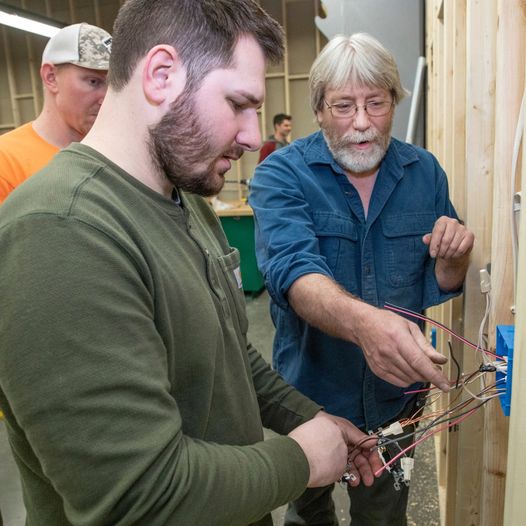
Nicci Pagan, Apprenticeship Coordinator at Gateway Technical College in Racine, Wisconsin, shared that while there are more apprenticeship programs than ever before, many students and families are still not aware of how these programs work, the costs associated with them, and the many types of jobs that can be secured after completion. Speaking from her own personal experience, Pagan shared that she wished she had been more aware of apprenticeship programs as a student and a single mother.
“An apprenticeship program would have been a fabulous solution for me to get my education while also earning a wage.” She made it her mission to educate as many people as possible in the state about the benefits of apprenticeship programs. “They are a great opportunity for individuals who don’t want to give up education to have a skill but need to be able to work as well,” said Pagan.
In Wisconsin, apprentices are generally required to complete coursework at a technical college, through a partnership between the apprenticeship program, employer, and the educational institution. “Apprenticeship programs are specifically designed to meet the needs of employers, so I think in the next five years, we’re going to continue to expand the trades in which we have apprenticeships in,” Pagan stated. “We’ll continue to expand and meet the needs of local businesses and employers as well as the apprentices themselves, as they’re learning and growing.”
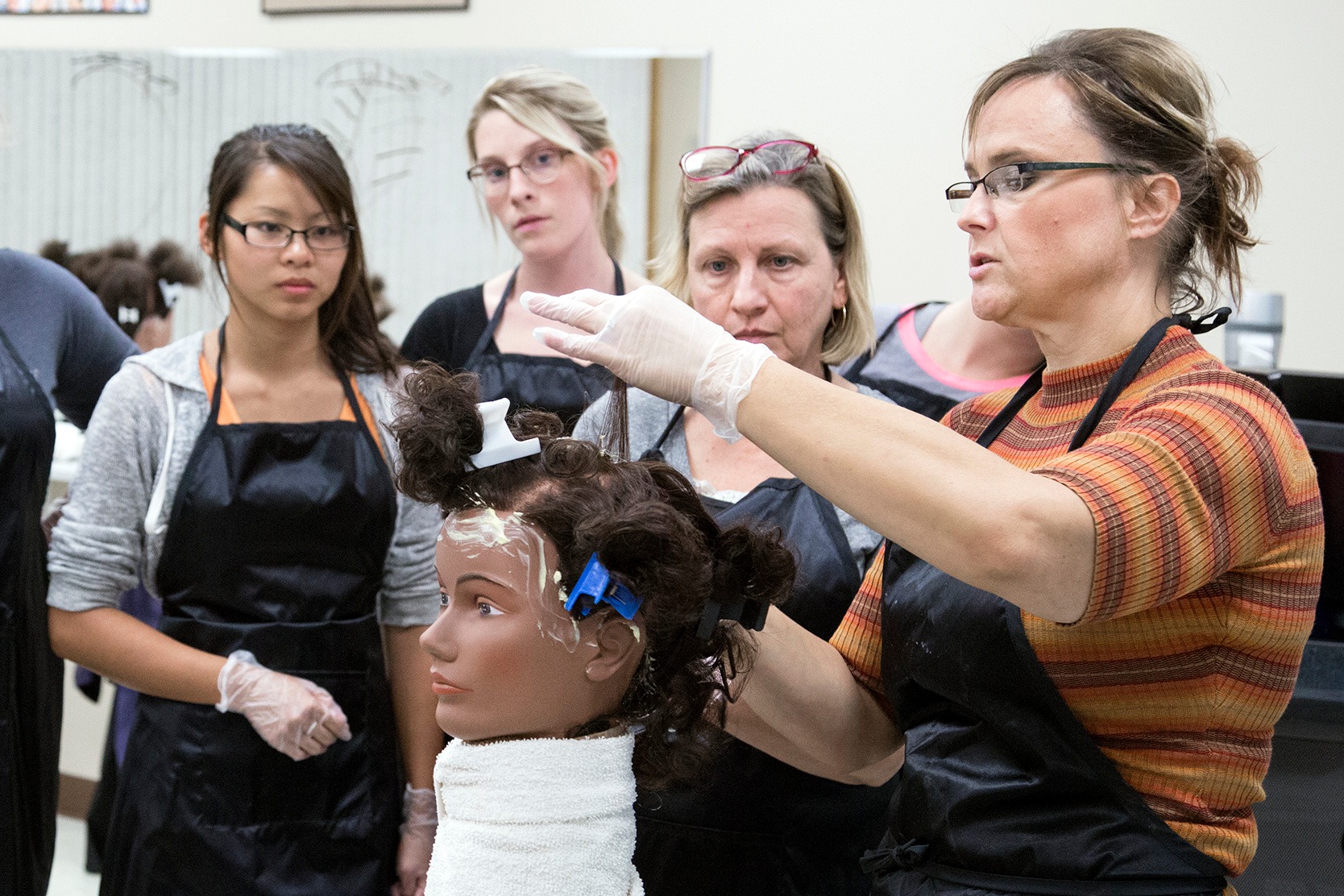
The Wisconsin College Savings Program knows that higher education takes many forms, that’s why its Edvest 529 and Tomorrow’s Scholar plans can be used for whatever comes after high school, including four-year universities, community colleges, trade, technical, or vocational schools, certificate programs, and apprenticeships.
If you are interested in pursuing an apprenticeship program, you can browse apprenticeship opportunities nationwide, searching by sector or location at www.apprenticeship.gov. Consult with your 529 college savings plan administrator to see if funds saved in a 529 plan can be used for apprenticeship expenses tax-free in your home state. Lastly, check with your area’s employers and technical/vocational colleges. They may have knowledge of current or upcoming apprenticeship opportunities in your community.
About the Authors:
Cheryl Rapp
serves as a College Investment Program Finance Officer with the Wisconsin Department of Financial Institutions, which oversees Edvest, Wisconsin’s 529 Plan. Edvest has been helping families save for education since 1997. Rapp has over 23 years of experience working for the State as the College Affordability Specialist prior to joining the College Savings Program. Her experience includes educating students, parents, teachers, and school counselors on the value of and how to complete the Free Application for Financial Student Aid. In her current role as College Investment Finance Officer for the Wisconsin 529 College Savings Program, Rapp manages outreach to Wisconsin residents. She works to increase awareness of the plans among Wisconsin residents while helping them begin saving for their children’s higher education. She is a graduate of the University of Wisconsin-Green Bay, from which she earned a bachelor’s degree in Humanistic Studies.
Chelsea Wunnicke
serves as a Wisconsin College Savings Program Finance Officer with the Wisconsin Department of Financial Institutions. With a background in delivering Financial Capabilities Outreach and Education with the University of Wisconsin Extension, Chelsea has expertise in helping families and communities envision financial inclusion and find strategies to improve their futures. Chelsea lives with her family in rural Richland County, Wisconsin, and has a special interest in helping more Wisconsin communities and youth benefit from early saving for higher education.