


By Jenn Dyck, Communication & Marketing Specialist, WA529
Memories of planning family road trips always come to my mind in the first weeks of summer. Preparing for an exciting adventure is a rewarding experience. I planned several fun-filled road trips when our kids were young – creating special memories our family will never forget. Recently, it occurred to me that saving for higher education may seem like a completely different task, but honestly, the two tasks are more alike than you might think. Road trips are often filled with laughter, spontaneous detours, and roadside treats, while a college savings journey requires financial planning, dedication, and long-term commitment. Yet, at their core, both are fueled by dreams, driven by hope, and shaped by meaningful preparation.
Choose the Destination
Every memorable road trip begins with a vision. Whether your family dreams of a cross-country drive to a theme park or exploring local attractions, families choose destinations that excite them. This first step builds hope and anticipation, giving everyone something to look forward to.

Similarly, saving for higher education begins with a dream. Students and their parents picture a future shaped by college degrees, technical or vocational training, or apprenticeship opportunities. Taking the step to save in a 529 plan supports different paths your student may choose and builds hope that they can pursue their dreams after high school.
Plan the Route
Mapping your road trip route includes carefully planning desired sights, rest stops, meals, overnight stays, and fuel stops. Families often weigh the pros and cons of adding time and money to take paths leading to specific sights and landmarks they want to see, compared to taking the fastest highways to their destination. Flexibility and budgeting are the keys to balancing family fun with trip finances.
When beginning their savings journey, families consider how much to set aside for their children’s dreams, what type of 529 plan to use, and how to balance education savings with other financial goals. Just like a road trip, dreams and desired paths may change along the way, but a carefully planned roadmap—saving what you can, when you can—helps your child reach their final destination.
Pack the Essentials
Smart road trippers pack strategically for their families’ needs—weather-appropriate clothing, food, snacks, entertainment for kids, emergency kits, and roadmaps. These essentials contribute to a smooth and enjoyable journey.
The same is true when hitting “Route 529.” Knowing the best financial tools is essential. From tax-advantaged 529 savings accounts to automatic payments and flexible spending options, families benefit from “packing” the right resources early on. Like a well-packed bag, 529 savings accounts reduce financial stress later.
Stay on Course
Even well-planned road trips run into delays—traffic jams, closed attractions, road detours, or weather issues. Families often need to adjust their plans to stay on course and avoid unexpected obstacles. Keeping a positive attitude and making the best of these detours shows our kids how flexibility and dedication can lead to a successful outcome.
During your savings journey, life may throw curveballs—job changes, medical expenses, or unexpected downturns. Staying committed to saving, even small contributions, helps families move closer to their goals. Flexibility might mean temporarily adjusting contribution amounts and timelines. In the end, consistency pays off. Every dollar saved is a dollar not borrowed later.
Share Experiences
Beyond the sights seen and photos taken, the road trip’s real value lies in the bonding moments—playing road trip games, singing in the car, or late-night talks at a hotel or campground. Often, road trips also involve enjoying time with extended family or close friends.
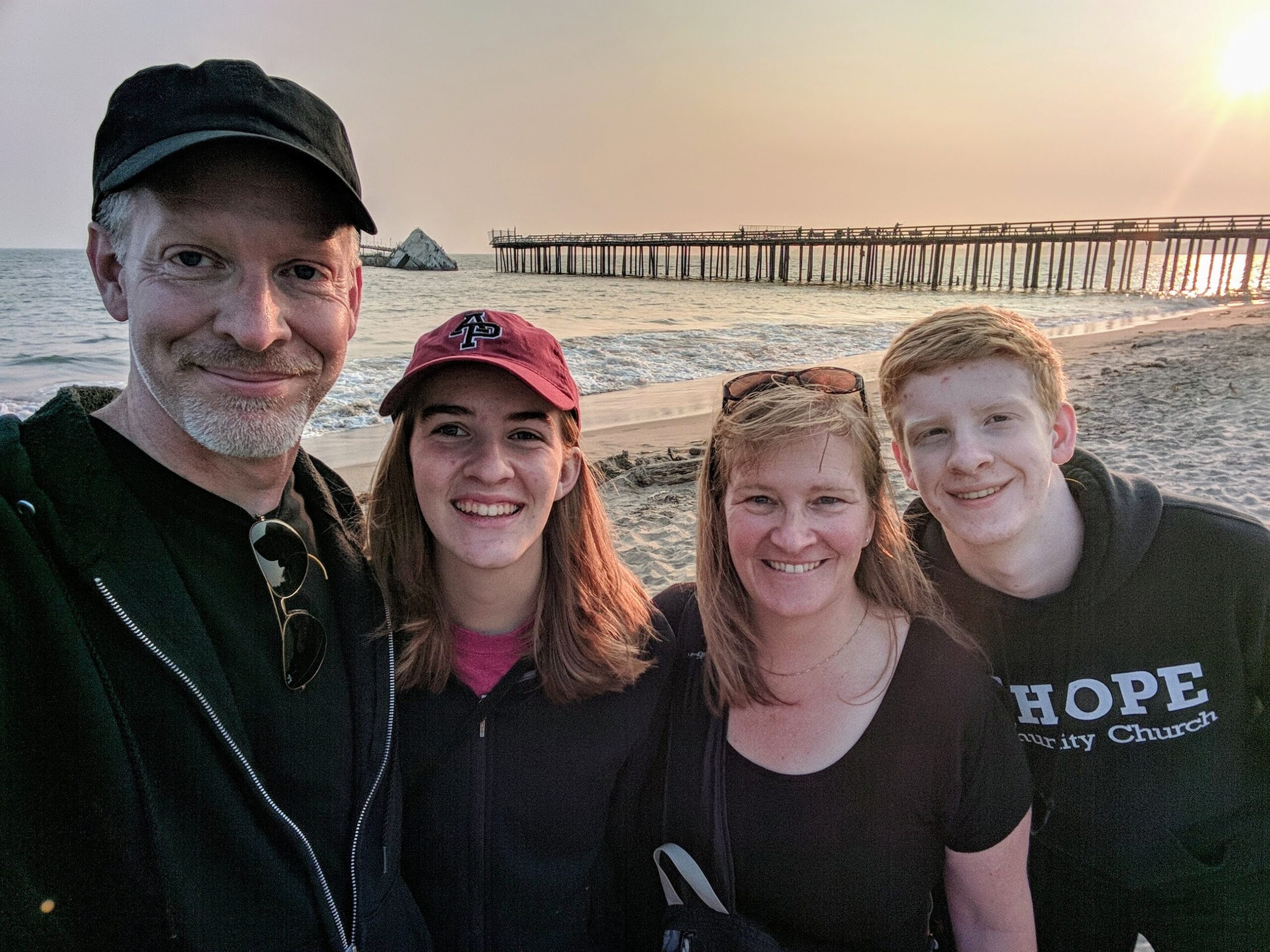
Saving for higher education dreams is also a family affair; family and friends are usually happy to be a part of your savings journey. Including children in their higher education savings efforts teaches them about responsibility, planning, and the value of investing in their future. Sharing dreams and group savings efforts create family bonding, just like a family road trip does.
The Destination
Arriving at your chosen destination isn’t the end of the road—it’s a new beginning of exploration and more memories in the making. All the planning efforts pay off. The time spent together as a family is priceless.
As the 529 savings journey comes to an end, a new one begins. When a child settles into a college campus, starts classes at a vocational school, or begins their apprenticeship for a dream job, years of savings and planning come to fruition. It is the beginning of their grown-up path, supported by a foundation laid by their family.
Let the Adventure Begin
Family road trips are measured in miles covered and memories made, and education savings are measured in time and dollars. Both represent powerful investments in experiences and opportunities. Planning for both requires a vision, dreams, flexibility, and commitment—ultimately providing rewards far beyond the desired destination. Watching my children graduate from college with very little student loan debt was well worth the time and effort spent saving for their futures.
Whether you’re hitting the open road this summer or forging the path to your child’s dream, remember that preparing for the journey is just as important as the arrival. Your next great adventure starts with a single step! Explore the benefits of saving in a 529 plan in your state.
About the author:
Jenn Dyck is a Communication & Marketing Specialist for Washington Education Savings Plans (WA529). Jenn lives in the Pacific Northwest and is passionate about encouraging others to pursue higher education. Recently, she returned to college to complete her bachelor’s degree at the same time her two young adult children earned theirs. WA529 helps families save for educational expenses, with a vision of fostering a well-educated community by helping students and families overcome financial barriers to education and avoid future debt. WA529 offers families tax-advantaged 529 plan options to save for future college and career training expenses: the GET 529 Prepaid Tuition Plan and WA529 Invest Education Savings Plan. Visit 529.wa.gov for more information.
By Jessica Wetzel, Director, Wisconsin 529 College Savings Program
July 22, 2025
When many families hear the term “529 college savings plan,” they often think of saving for a traditional four-year college. While that is a desirable option for many students, savings in a 529 plan can be used for various educational pathways outside of a four-year degree that can lead to rewarding and well-paying careers.
Beyond Just the Four-Year Track
Today’s workforce is full of opportunities that require different types of education or specialized training – and 529 plans can help fund many, including:
- Two-year associate degree programs at community colleges
- Trade, technical, and vocational schools (ex: plumbing, HVAC, cosmetology)
- Registered Apprenticeship programs (certified with the Secretary of Labor under the National Apprenticeship Act)
- Certificate programs (ex: healthcare, technology, business)
Whether a student is studying to become a dental hygienist, computer technician, or electrician, your 529 savings can play a critical role in helping them get there.
Potential of a Two-Year Degree
Though a bachelor’s degree can often lead to higher lifetime earnings, it is not the only way to achieve career success or financial stability. According to data from the U.S. Bureau of Labor Statistics, any level of education beyond high school correlates with higher earnings and lower unemployment.
For students who are unsure about committing to a four-year degree or who want to reduce their education costs, pursuing a two-year associate degree from a community college or technical school can be a great option. In 2024, entry-level occupations typically requiring an associate degree had a median annual wage of $57,150, compared to an annual median wage of $48,360 for those with only a high school diploma (“Education pays, 2024,” Career Outlook, May 2025).
Many two-year programs are even designed to seamlessly transfer to a four-year program, ultimately allowing students to earn a bachelor’s degree at a reduced cost. Not only does this route offer potential cost savings, but it also gives students more time to explore their interests, identify their strengths and talents, and determine their career goals.
And because there is no time restriction on when a student uses their 529 plan savings, they have the option of securing a two-year degree, entering the workforce, and tapping back into their 529 plan down the road if they decide to return to school to advance their education further.
Certificate & Apprenticeship Programs
Certificate and apprenticeship programs can also lead to strong salaries in high-demand industries. In fact, according to the U.S. Department of Labor, the average starting salary after an apprentice completes an apprenticeship program is $84,000 annually.
Many certificate and apprenticeship programs are offered through accredited trade, technical, and vocational schools, where you can utilize your 529 plan savings. Apprenticeships combine classroom instruction with hands-on, paid work experience, giving participants a head start in their chosen industry. Your 529 plan savings can help cover costs like tools, books, supplies, or course fees required to complete training.
A wide range of industries and a growing number of employers are implementing apprenticeships to meet their needs. If this type of pathway sounds like a good fit for your student, explore the Department of Labor’s Registered Apprenticeship Industries page to learn about high-demand occupations and find industry resources.
529 Plans Offer Evolving Flexibility
In today’s fast-changing economy, flexibility is critical. Many jobs that didn’t even exist a decade ago now require specialized training or certifications. Yet, the term “college” continues to evoke the idea of a four-year school for many. Whether you are just starting to save or have been putting aside money in a 529 plan for your student’s future for years, remember that success doesn’t have a one-size-fits-all path, and 529 plans continue to evolve to support many education and training options.
As a powerful, tax-advantaged savings tool, a 529 college savings plan can help families prepare financially for higher education while offering the flexibility needed to support a student’s unique career path — whether it involves a university lecture hall, a welding bench, or a computer coding bootcamp.
About the Author
Jessica Wetzel is the director of the Wisconsin 529 College Savings Program at the State of Wisconsin Department of Financial Institutions (DFI). DFI is the state administrator of Wisconsin’s Edvest 529 (direct-sold) and Tomorrow’s Scholar (advisor-sold) plans, which collectively hold more than $8 billion in assets under management. Jessica earned a B.S. in Community Education & Urban Studies from the University of Wisconsin, Milwaukee, along with a certificate in Community Based Organization Policy & Leadership. Before joining DFI, Jessica worked for over a decade in Wisconsin’s community and economic development sector, where she successfully led and supported programs and organizations dedicated to helping low- to moderate-income individuals and families achieve homeownership, start small businesses, and join the financial mainstream.
When my son was born last year, it didn’t take too long for the glow of welcoming a new baby to give way to the anxiety of planning for his future, starting with how we’d afford the ever-rising cost of college. Like many parents, I opened a traditional 529 investment account to set him up for success.
But what happens when markets don’t cooperate? As recent volatility shows, even the most conservative strategies are subject to the highs and lows of a turbulent market. When the only certainty is uncertainty, prepaid 529s like Private College 529 Plan offer a safe port in the storm.
What is Private College 529 Plan?
Private College 529 Plan (PC529) is a nationwide prepaid plan owned and operated by a consortium of nearly 300 private colleges and universities. It is designed to help families save confidently for the cost of private higher education by shielding them from tuition inflation. Unlike traditional 529 investment plans, a PC529 account has no market exposure. Instead, your contributions are used to prepay a guaranteed percentage of annual tuition at today’s rates across hundreds of institutions around the country, including Stanford, Princeton, and Notre Dame.
How Private College 529 Plan Works
When you save in a PC529 account, any deposits you make lock in a percentage of a year’s tuition at each member college. Because tuition prices vary, this percentage will be different at each school. At the end of the plan year (July 1 – June 30), deposits are aggregated in a single Tuition Certificate per college, representing the total percentage you have locked in.
Suppose you open an account and contribute $30,000 between July 1, 2024, and June 30, 2025. That $30,000 will have locked in a different percentage of tuition at each participating institution, and your Tuition Certificate could look like this:
| Institution | Annual Tuition | What $30,000 Locks In |
| College A | $40,000 | 75% of a year |
| College B | $50,000 | 60% of a year |
| College C | $60,000 | 50% of a year |
*This is a very limited example. Your contribution locks in tuition at all member colleges.
Member colleges guarantee that you own these percentages no matter how much tuition increases or what happens in the financial markets, even if you never make another deposit.
A Smart Way to Diversify Your College Savings
For many families, it is difficult to choose between a traditional 529 investment plan and a prepaid plan like PC529, but there is a simple solution: why not use both?
A traditional 529 investment plan is a smart way to cover qualified education expenses like room and board, books, and supplies, while Private College 529 Plan lets you prepay and lock in tuition rates to manage future costs better.
Even as 529 investment accounts shift to more conservative options as college nears, your savings still face market risk, whether it’s losing value at the worst time or growing too slowly to keep up with rising tuition. On the contrary, PC529 provides a way to protect your college savings from market risk while keeping pace with tuition inflation.
You can easily fund your PC529 account with a rollover from a state 529 plan, without tax implications, and start redeeming your prepaid tuition after a 36-month hold period. This means you can open an account as late as your child’s senior year of high school to save on the final college tuition bill.
If your child chooses not to attend a member college, you have options. The account owner can change the beneficiary to another child, roll over funds into another 529 plan, or request a direct refund of your total contributions plus net investment returns between 0-2% compounded annually. At minimum, you will get your original contributions back.
Save at Today’s Rates by Acting Before June 30
There will never be a one-size-fits-all approach to saving for college, but families deserve access to tools that offer a level of certainty in volatile times. Now, a little more than a decade removed from my own college graduation, I’m already experiencing extreme sticker shock looking at today’s college tuition prices. By incorporating Private College 529 Plan into my family’s savings strategy, I am turning tuition inflation to my advantage, protecting against rising costs at hundreds of colleges nationwide and adding guaranteed security to my savings.
If you think PC529 is right for you, there is no better time to save! New tuition rates go into effect on July 1, and costs are expected to rise. Instead, open and fund your account by June 30 to lock in the current year’s tuition rates.
Whether your child is still in diapers or touring college campuses, now is the best time to plan for the future by saving with Private College 529 Plan.
About the author:
Connor Swan is the Manager of Partner Success at CollegeWell and Private College 529 Plan. In this role, he builds strong, collaborative relationships with the organization’s nearly 300 participating private colleges and universities to drive engagement with their broader networks in creative and strategic ways. Questions about Private College 529? Reach him at cswan@pc529.com.
By Arizona Treasurer Kimberly Yee
May 27, 2025
As many states, like Arizona, experience population and job growth, addressing the need for higher education to prepare a qualified and skilled workforce is essential. Higher education comes with costs. That’s why it’s crucial to prepare families to start saving early for their loved ones’ future education and create a plan and pathway for these savings.
In October 2020, I became the Administrator of the AZ529, Arizona’s Education Savings Plan. Since then, my office has opened over 54,000 new accounts and increased assets by 45%. From day one, it has been my goal to bring this important savings plan to families who have never thought about college or higher education and provide the encouragement that higher educational opportunities are for everyone.
As I travel around Arizona, I meet with individuals in schools, business and education groups, senior citizens, and veteran communities to discuss the benefits of opening an AZ529 Plan. Expanding the awareness of the AZ529 Plan included developing online marketing and materials translated into Spanish and Navajo, which has been an extraordinary success.
Many are unfamiliar with information on eligibility. I share that parents are not the only individuals eligible for tax benefits; any contributor, including grandparents, aunts, uncles, and friends, may receive tax deductions. Additionally, I encourage young professionals who do not yet have their own families to open an account for a niece or nephew or even for themselves, as accounts may be used for ongoing education, including graduate degrees.
I have enjoyed many conversations with families who are now opening their AZ529 Plans with new confidence as they begin the first steps to planning their child’s future, whether their education will be in a university setting, community college, vocational school, workforce development, or apprenticeship program.
Setting up a 529 Plan is more important than ever as college and higher education costs continue to rise. Student loan debt has reached an all-time record high of $1.77 trillion nationally. The funds from a 529 Plan may be used for tuition and fees, books, supplies, room and board, and student internet access at postsecondary institutions across the country. Funds may also be used towards K-12 private school tuition and paying off student loans.
Recent additions by the federal SECURE 2.0 Act have addressed the common question asked by account holders: “What if I put too much into my 529 Plan and my child doesn’t use it all?” Now, 529 Plans allow account holders to transfer up to $35,000 tax and penalty-free to a beneficiary’s Roth IRA retirement account with longstanding 15-year holders of these accounts. This is good news and provides families with financial flexibility and peace of mind.
Making savings easy and accessible, and meeting families where they are positively impacts a child’s education and enhances our future workforce.
On May 29th, or National 529 Day, my office proudly celebrates education savings by surprising a family in Arizona with a special gift. During this time last year, we had the opportunity to surprise first-time parents and their newborn baby with $529 towards an AZ529 Education Savings Plan. As the new parents received this surprise gift and the newborn in their arms, it was a remarkable experience to see the family overwhelmed with joy and emotion.
The gift of a 529 Plan is more than just a financial contribution. It is a long-term investment towards a loved one’s future that will last a lifetime.
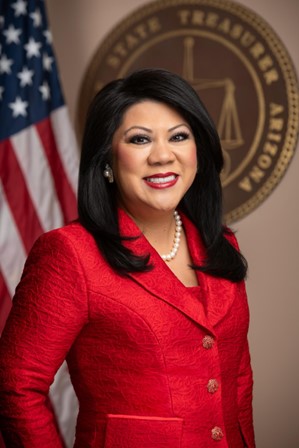
About the Author
The Honorable Kimberly Yee is the Treasurer of Arizona. When she took office, she asked for the AZ529 Education Savings Plan to be placed under her administration. In a short period of time of 54 months, Arizona’s 529 accounts have increased by 54,178 new accounts with $2.46 billion in AZ529 assets under management. She has reached diverse communities and families in every county of our state and increased access by translating materials into Spanish and Navajo. For more information about the AZ529 Education Savings Plan, visit http://www.az529.gov.
By Marissa Rowe, Executive Director, Indiana Education Savings Authority
April 16, 2025 (Reprint from April 9, 2024)
It’s National Financial Literacy Month. If you’re reading this post, then one of the following is likely true:
- We’re related,
- You work in the 529 industry, or
- You’re thinking about starting a 529 and you’re hoping something I say will push you over the edge into saving since it’s National Financial Literacy Month.
A hearty “hello and good day” to the 1s and 2s. For the 3s, let’s talk about finding your Why.
The internet is full of how to articles and videos, all teeming with facts about 529s. The deeper and more personal question is: Why should you save? Finding your motivation can be the single most important part of the saving process. Here are a few reasons you might consider saving for future education in a 529 plan.
You save to avoid debt. The idea of the children or grandchildren having the same education debt you had is enough to drive you to save. Having $0 saved for education and having to pay back so much student loan debt can be a big motivator to save for a future generation.
You value education. You’ve decided that formal education beyond high school is important and you’re ready to put your money where your values lie. Whether it’s a registered apprenticeship, two-year or four-year education, opening and saving in a 529 account allows you to have money available to spend on something that’s important to you: education.
You desire more opportunities. Career training and education can open doors and expand opportunities. From the skills you learn to the people you meet, education after high school brings access to opportunities and experiences. Saving in a 529 makes funds available to pay for the education and training to take you where you want to go.
All of the above. There’s no wrong answer here. It’s about understanding yourself and what motivates you.
Now that you have your why, open the account, make your first contribution, and then set up automatic contributions that fit your budget. Getting started is easy once you understand your why.
About the Author
Marissa Rowe is executive director of the Indiana Education Savings Authority, which administers the Indiana529 Direct, Advisor and CD Savings Plans with $8 billion in assets under management. A proud first-generation college student, Marissa received her B.A. in Mass Communication from the University of North Carolina at Asheville and her M.A. in Philanthropic Studies from the Indiana University Lilly Family School of Philanthropy. She paid off her student loans in 2020 and has 529 plans for her nieces and granddaughter.
By Devon Copeland, Senior Communications Associate, Invest529
April 2, 2025
April is Financial Literacy Month, making it the perfect time to take a fresh look at how you’re planning for education expenses—whether for yourself, your child, a grandchild, or even a loved one. A 529 account is one of the smartest ways to save, offering tax advantages and flexibility that can make a big difference in the cost of education. But did you know how you approach saving might vary depending on who you’re saving for?
Here’s one key fact to keep in mind for different scenarios:
Saving for Yourself: You Can Use a 529 at Any Age
Many people think of 529 accounts as strictly for children, but they can be a powerful savings tool for adults, too! Whether you’re changing careers, going back to school, or pursuing a new certification, a 529 account can help cover tuition, required books, and even some student loan payments. Plus, if you’re currently employed, you might even find that your employer offers tuition assistance that can complement your 529 savings.
Saving for Your Child: Start Early, But It’s Never Too Late
The earlier you start saving, the more time your money has to grow, thanks to compounding and tax-free earnings. But even if your child is in high school, a 529 account can still provide meaningful savings—every dollar saved is a dollar you don’t have to borrow. And if there’s money left over after their education, you may have options like transferring the funds to another family member, using a portion to repay student loans, or even rolling over up to $35,000 into a Roth IRA for their future retirement savings.
Saving for Your Grandchild: You May Get Tax Perks
Grandparents often love to contribute to a grandchild’s education, and some states offer tax benefits for contributions—even if you’re not the account owner. Additionally, recent changes to federal financial aid rules mean that grandparent-owned 529 accounts no longer impact a student’s eligibility for need-based aid, making it an even more appealing way to help fund their education.
Saving for a Loved One: You Can Open or Contribute to Their 529 Account
Did you know that anyone can contribute to a 529 account? You don’t have to be a parent or legal guardian to open an account for a niece, nephew, godchild, or family friend. And if their parent or guardian already has an account, you can make a gift contribution instead. For example, Invest529 offers easy gifting options, allowing friends and family to contribute online for birthdays, holidays, or special milestones.
Make This Financial Literacy Month Count
No matter who you’re saving for, a 529 account offers flexibility, tax advantages, and long-term benefits. This April, take a moment to review your savings strategy and see how a 529 account can help you or a loved one achieve their educational goals.
About the Author
Devon Copeland is the senior communications associate with Invest529. Invest529 makes education more accessible and affordable for families and individuals. The program is administered by Commonwealth Savers Plan, which oversees education 529 saving programs with more than $110.3 billion assets under management and 3.1 million accounts as of February 28, 2025, making it the largest 529 plan in the nation. For more information on Invest529’s education savings options, visit Invest529.com or call 1-888-567-0540 to obtain program materials.
Apprenticeship programs provide an affordable pathway to a career, but they still come with costs. Thanks to the 2019 SECURE Act, funds saved in a 529 college savings plan can be used to cover qualified apprenticeship expenses, such as fees, textbooks, supplies, and necessary trade tools.
529 Plans & Apprenticeship Programs
Students develop different goals and interests over the years, so families unsure of a student’s future education and career path can be assured that funds saved in a 529 plan offer flexibility. Money saved can be used to support a variety of postsecondary aspirations, including attendance at eligible trade, tech, or vocational schools, community colleges, and traditional four-year universities – nationwide and abroad – as well as registered apprenticeship programs.
What is a Registered Apprenticeship?
An apprenticeship is an “earn while you learn” program combining on-the-job training and classroom instruction. Employers provide hands-on skill development, while technical or community colleges or private training centers teach theoretical knowledge. If an apprenticeship program is certified and registered with the Secretary of Labor, you may use funds saved in a 529 account to pay for related program fees, textbooks, supplies, and equipment.
There are over 24,000 apprenticeship programs nationwide, according to the U.S. Department of Labor. Programs cover a wide range of industries, with an average annual salary for those who complete their apprenticeship of $70,000. Apprenticeship availability varies, depending on the local employers involved. For example, in Wisconsin, employers train approximately 10,000 individuals annually through apprenticeship programs in about 200 occupations – from construction and manufacturing to healthcare and information technology.
Using a 529 Account: A Case Study from College to Apprenticeship
Kim Sebastian from Greendale, Wisconsin, originally opened 529 accounts for her children, expecting them to pursue traditional college degrees. Over the years, she continued contributing to their 529 accounts until they graduated from high school.
Cole, their eldest son, started at a four-year university but soon realized that the conventional college experience wasn’t the right fit for him. After exploring different options, he discovered a passion for electrical work and decided to pursue an apprenticeship instead.
“We looked into how we could use the 529 funds to support his apprenticeship,” Kim says. Though initially focused on funding a traditional college education, the flexibility of the 529 plan allowed the family to reallocate savings to support Cole’s new path. His apprenticeship led him to Waukesha County Technical College (WCTC), where he enrolled in the Associated Builders and Contractors (ABC Wisconsin) Electrical Apprenticeship program.
“I’ve always enjoyed working with my hands and figuring out how things work,” Cole explains. Combining practical experience with theoretical knowledge, the apprenticeship model suited him far better than a traditional college. This experience reflects a growing trend among students who, like Cole, are discovering the value of trade education.
Financial Support from 529 Plan
One of the key factors in Cole’s successful transition into the electrical field was the financial support provided by Wisconsin’s Edvest 529 college savings plan. The family was able to use the savings to cover the costs of tuition for his apprenticeship classes, as well as specialized courses in safety and first aid, such as OSHA certifications.
Cole notes, “Knowing that my family had saved for my education gave me a sense of security. I had the freedom to choose the career path that was right for me.” This financial backing allowed Cole to focus on his apprenticeship without worrying about educational expenses, highlighting the flexibility of the 529 savings plan beyond traditional college tuition.
By leveraging 529 savings plans, families can support a variety of educational paths, ensuring students have the resources needed to pursue careers that align with their passions and skills.
To learn more about how to use a 529 plan for apprenticeships, watch Edvest’s video: How to Use a 529 Plan for Apprenticeships.
Finding a Registered Apprenticeship Program
The following resources can assist in finding a registered apprenticeship program:
- U.S.
Department of Labor – Apprenticeship USA
Apprenticeship.gov is a one-stop source to connect career seekers, employers, and education partners with apprenticeship resources. Use their search tool to find out if your apprenticeship program is registered. - Your state’s Department of Workforce Development
Many states have a Department of Workforce Development or similar agency that helps manage apprenticeship standards. Check with your state’s workforce agencies to find information about apprenticeship programs they support. - Your state’s community or technical college system
Many apprenticeships include classroom instruction through local colleges. Check with your state’s community or technical college system for apprenticeship opportunities they support.
By exploring these resources, individuals can find registered apprenticeships that align with their career goals and take advantage of the financial flexibility offered by 529 savings plans.
About the authors:
Cheryl Rapp serves as a Wisconsin College Savings Program Finance Officer with the Wisconsin Department of Financial Institutions. With over 24 years of experience in state education initiatives, she previously served as a College Affordability Specialist and now leads outreach efforts to promote Wisconsin’s 529 college savings program. She is a graduate of the University of Wisconsin-Green Bay, from which she earned a bachelor’s degree in Humanistic Studies.
Chelsea Wunnicke serves as a Wisconsin College Savings Program Finance Officer with the Wisconsin Department of Financial Institutions. With a background in delivering Financial Capabilities Outreach and Education, Chelsea has a special interest in helping more Wisconsin communities and youth benefit from early saving for higher education. Chelsea holds a bachelor’s degree from Knox College and an M.P.A. from the University of Illinois Springfield.
By Jørn Earl Otte, Hartford Funds’ Strategic Marketing Consultant for SMART529 in West Virginia
We all intuitively know that the more education our children can obtain, the better their chances for a higher-paying career. As your loved ones’ education increases, their potential for a higher salary does as well. It is also important to note that successful careers don’t always require a college degree. Skilled labor positions can provide an excellent income. The number of those positions continues to grow. And as it does, more well-trained skilled workers will be needed to fill those positions. However, almost all of them require some post-secondary education, and that education rarely comes free.
Unfortunately, as so many Americans have discovered, the dollar figures associated with getting a degree of any type can be astronomical. Higher education costs have skyrocketed over the last several years, and there’s no indication that that trend will change. As these costs become more prohibitive, families will seek to find more ways to remove or at least reduce that financial burden.
529 programs can be a source for families to save for higher education, however there are many misconceptions about what 529s can be used for, and when and where funds can be distributed.
Let’s dispel some myths and find a few facts about 529 plans – hopefully, these will help you and your family as you seek to fund your loved one’s future education:
- Myth: Funds can only be used at an in-state college. FACT: Funds can be used for qualified higher education expenses at any eligible educational institution, regardless of whether that institution is in-state or out-of-state. An eligible educational institution is any accredited post-secondary institution like a college or university, but most vocational and technical institutions also qualify. An institution simply must be eligible to participate in the federal financial aid program. This even includes many foreign institutions.
- Myth: If my child doesn’t use the money for college, we will lose the money. FACT: Account owners maintain control of the account, even after the beneficiary reaches the age of maturity, so you get to decide when and where funds are distributed. Should your beneficiary not need the funds in your 529 account for whatever reason, you have many options. Among those options – you can transfer the beneficiary to anyone in the immediate family; you can simply withdraw the money and use it for non-educational expenses, though doing so can incur taxes and penalties; you can potentially roll over a portion of the funds tax-free into a Roth IRA, subject to federal laws and exclusions. Please consult your tax advisor for further details.
- Myth: 529 funds are only for tuition. FACT: The monies from your 529 account can be used for tuition, books, room, board, supplies and more. Due to legislation passed in 2017, funds can also be used for K-12 private school tuition – tuition only – up to $10,000 a year, as well as for costs associated with apprenticeships. Check with your state’s 529 plan to see if you can use this benefit, as not every state 529 program allows this qualified higher education expense. Note: Non-qualified withdrawals are taxable as ordinary income to the extent of earnings and may also be subject to a 10% federal income tax penalty. Investment returns are not guaranteed, and you could lose money by investing in a 529 plan.
- Myth: Only parents can open accounts. FACT: When opening a 529 account, you do not need to have a particular relationship with the beneficiary. In fact, an account can be opened by anyone for anyone. While accounts are usually opened by parents or grandparents, an account owner can be any individual, corporation, partnership, trust, state, or fiduciary. Also, contributions can be made to any account by any interested person. For example, grandparents can contribute to an account opened by a parent and vice-versa. Aunts, uncles, friends – they all can also contribute.
Other important things to consider
- Check with your state’s 529 plan(s) to see what state tax benefits, if any, there may be. Some states allow their residents to apply a dollar-for-dollar deduction to their taxable state income for every dollar they contribute to a 529 plan.
- There is no limit to the number of accounts for any one beneficiary, and anyone can contribute to an account no matter who the owner is. There are no limitations on a person’s income when it comes to opening an account, and contributions to an account can be in any dollar amount. However, please consult your accountant or tax professional regarding any federal gift tax implications.
It’s always smart to start saving while your child is young, as even small amounts saved on a regular basis can add up over time. But don’t be dismayed if your child is in middle school or even high school. Every dollar you save for them today is a dollar they won’t have to borrow from a lender tomorrow. Unfortunately, many people think that if they can’t save everything, why save anything? Instead of having an all-or-nothing attitude about savings, adopt a “something is something” outlook. It’s still worthwhile to save something for college, no matter how little or how much. Many students graduate with heavy debt that takes decades to pay off.
Even if you can’t eliminate student loans for your children, perhaps you can lighten the debt load for them after graduation. Perhaps your investment will pay for all of their books or may even be enough to cover one, two, or even three years of college for them. You can be proud of whatever savings you accumulate knowing that every dollar makes a difference for them and for you.
About the author:
Jørn Earl Otte is Hartford Funds’ Strategic Marketing Consultant for SMART529 in West Virginia. Please note that all of this information is provided here for educational purposes only, and is not intended to provide tax, accounting, investment, or legal advice. Please consult the appropriate professional should you have any questions regarding these issues.
Before investing, an investor should consider whether the investor’s or designated beneficiary’s home state offers any state tax or other state benefits such as financial aid, scholarship funds, and protection from creditors that are only available for investments in such state’s 529 plan.
For more information about any 529 college savings plan, contact the plan provider to obtain a Program Description, which includes investment objectives, risks, charges, expenses, and other information; read and consider it carefully before investing. Hartford Funds Distributors, LLC, serves as distributor and underwriter for some 529 plans.
As a kid, my exposure to pop culture was limited by the fact that I grew up in a rural area where our giant outdoor TV antenna picked up exactly one channel. Fortunately, that channel did deliver the Saturday morning goods by way of the Teenage Mutant Ninja Turtles and direct-to-kids advertising that was rampant through much of the late 80s and early 90s.
My protective bubble burst in a blaze of glory in late middle school through the magic of…satellite TV [insert “mind blown” meme here]! Overnight, our household TV channel portfolio grew by nearly 19,900% from 1 to 200+ channels. It’s safe to say this was the highest-grossing investment my family will ever know (though certainly not the most rewarding one – more on that later).
Ironically, with immediate access to countless new forms of content, I found myself drawn explicitly to the show that was literally about nothing. I mean, what’s the deal with satellite TV? I had hundreds of options, and I only wanted to watch Seinfeld reruns!
Believe it or not, despite the show’s reputation, there’s a lot one can learn from the four, arguably morally bankrupt, main characters, including why things like prepaid tuition plans might be a good choice for many families.
This was reinforced when I recently rewatched “The Stock Tip” episode, where George got a hot stock tip and talked Jerry into going in on a risky investment with him. Jerry, who was uncomfortable with market risk, agonized the entire episode as he saw the value of his holdings plummet every day until he couldn’t take it anymore and sold out at a significant loss. Sure enough, a few days later, the stock had recovered, gained exponentially, and made George a tidy profit, much to Jerry’s chagrin.
The point that really hit home in that episode is that investment-based 529 plans, while an important source of long-term investment growth for many, are not the tool that every college saver is comfortable relying on exclusively. And that’s perfectly okay. Some families want to know they are building their college savings without the added stress of market swings. Others may be seeking a defined benefit with a known outcome. And yet others may want to diversify and not have all their eggs in one basket.
This is where prepaid tuition plans come in. These unique and special products, only available in certain states, take much of the uncertainty out of the college savings picture. Designed to keep pace with rising tuition costs in a given state, savers in these plans not only have a hedge against long-term tuition inflation but can rest easy knowing that market timing won’t be a factor when needing to pay for college. And, despite common misperceptions, these plans often allow you to use your funds out of state and for various other higher education expenses beyond tuition, just like their investment-based 529 brethren. Keep in mind that prepaid benefits, when used for expenses beyond in-state tuition, can vary by plan. As with any financial product, it’s important to read the full disclosures before opening an account.
Now, full disclosure here – as co-chair of CSPN’s Prepaid Tuition Committee and an administrator for a state that offered a prepaid tuition program as our sole 529 option for 20 years, I wouldn’t be very good at my job if I wasn’t trying to convince you how great prepaid plans are! But I can also personally attest to the power these products have. For my daughter, my wife and I participate in both of our state’s plans. We put our largest share of contributions into our prepaid account to lock in peace of mind and contribute additional funds to our investment-based 529 to boost our overall expected return.
Just like Seinfeld was the ideal choice among the many content options to help shape (warp?) my still-developing pre-teen mind, my family’s blended prepaid/investment strategy is the perfect balance for our college savings goals. As you consider your own education savings goals, a prepaid tuition plan may be worth a look if your state offers one, especially if you’re seeking that perfect peace of mind. In the immortal words of George’s dad, Frank Costanza: “Serenity Now!”

_____________
About the Author
Luke Minor is the Senior Director of Postsecondary Affordability at the Washington Student Achievement Council. In his role, he oversees Washington State’s Education Savings Plans (WA529), which include the GET Prepaid Tuition Program and WA529 Invest. Since 1998, tens of thousands of students have used more than $2 billion of their WA529 savings to attend colleges in all 50 states and at least 15 foreign countries. In his free time, Luke enjoys getting outside to hike, ride bikes, and even splash in a puddle or two with his wife, rambunctious five-year-old, and young-at-heart geriatric dog. And yes, he still watches Seinfeld reruns from time-to-time.
By: South Carolina State Treasurer Curtis Loftis, Administrator of Future Scholar College Savings Plan
February 4, 2025
Chances are, if you ask a group of children what they would like to be when they grow up, you’ll get a wide variety of answers. One child wants to become a teacher. Another dreams of being a firefighter, baseball player, or both. Over the years, their answers may change many times. Whatever career path they ultimately choose to pursue, their parents and grandparents want them to have the education that will help them achieve their dreams. That’s why families often save for their child’s future with the help of a 529 plan.
As State Treasurer, I’ve had the privilege of helping thousands of families save for their children’s future education with South Carolina’s Future Scholar 529 Plan. Families appreciate that 529 plans offer the flexibility to allow their children choices. Students may opt to attend a traditional four-year university or select a much more direct path to beginning their careers.
Vocational, technical, and trade schools
In addition to the many eligible four-year public and private colleges throughout the United States and in many other countries, 529 funds can also be used at eligible vocational, technical, or trade schools. The career-focused training these schools offer allows graduates to apply for skilled trade jobs. Because academic programs at trade schools are more hands-on and practical rather than expansive and theoretical, students can often complete their coursework in half the time needed to obtain a degree from a college or university.
At trade schools, students can choose from an almost endless list of career choices and use their 529 funds for qualified programs in areas such as cosmetology, HVAC training, massage therapy, dental hygiene, plumbing, IT training, medical assistant training, electrical, criminal justice, automobile repair, carpentry, culinary school and many more.
Experts say that many Gen Z students view trade schools as a faster path to entrepreneurship. Others cite higher pay and new technology in trade professions as motivation to seek a technical education. These students aren’t alone. The National Student Clearinghouse reports that enrollment in trade schools grew 16% in 2023.
Degrees in demand
Students who choose to attend a trade school are likely to be entering a job market that needs them. A 2024 Deloitte and The Manufacturing Institute report found that U.S. manufacturing is projected to need 3.8 million new employees by 2033. Fast-growing careers include machinists, welders, semiconductor processing technicians, statisticians, data scientists, logisticians, computer and information systems managers, as well as software developers and industrial maintenance technicians.
And trade school graduates are often paid more. A 2023 ADP study, as The Wall Street Journal reported, found that the median pay for new construction employees entering the workforce rose 5.1% to $48,089. On the other hand, new professional services employees earned an annual $39,520. For the fourth year in a row, new construction hires earned more than newly hired professionals, such as accountants.
Apprenticeships
The SECURE (Setting Every Community Up for Retirement Enhancement) Act of 2019 allowed families who save with 529 plans even more flexibility. Students can now tap their 529 funds to pay for apprenticeship programs registered with the U.S. Labor Department. In addition to fees and tuition, 529 funds can be used to pay for tools and equipment, such as required computer software or hardware, welding equipment, healthcare instruments, safety gear, or construction tools needed to enroll in registered apprenticeship programs.
529 equals important flexibility
In the three decades since they were first introduced, 529 plans have become remarkably user-friendly and flexible. New laws allow unused funds in 529 accounts open for a minimum of 15 years to be rolled into a Roth IRA for the beneficiary (limitations apply). Additionally, a lifetime limit of $10,000 in 529 funds may be used to repay an individual beneficiary’s student loan. In some states, parents may use up to $10,000 of 529 funds annually to pay for a child’s kindergarten through 12th grade private school tuition. Check with your state’s 529 plan to see if you can use this benefit.
Families often choose to save with 529 plans because of the tax benefits. They appreciate that 529 earnings grow tax-free, and their withdrawals for qualified education expenses are also free from taxes. Many states offer tax deductions for contributions to a 529 account. For example, South Carolinians who save with our state’s Future Scholar 529 Plan can deduct 100% of their contributions from their state tax returns.
These tax savings are important benefits – and so are the options and possibilities these plans provide. Saving with a 529 plan offers a child the flexibility to choose the educational path that best aligns with their career goals. Whether that path is a four-year college, a vocational school, an apprenticeship, an online course, or a graduate degree, a 529 plan can help them follow their dreams.
About the author:
Curtis Loftis is the State Treasurer of South Carolina. He also serves as the administrator of South Carolina’s Future Scholar 529 College Savings Plan. Visit treasurer.sc.gov or futurescholar.com for more information on ways to save through a 529 plan.